PlayStation Patents AI-Powered Fake Accounts to Catch Criminals, Scammers, and Predators on PSN
By Ulises Contreras onThe new Sony filing offers an early glimpse into the AI-driven monitoring system.

PlayStation appears to be preparing major measures against bad actors on its network. According to a newly published patent, it is exploring the use of AI-controlled dummy accounts designed to detect potential scammers, criminals, and predators to warn genuine players about risky profiles.
Online gaming has become an inherently social experience, thanks to the connectivity features built into modern consoles and games. Yet interacting with strangers on the internet carries risks, and younger players remain especially vulnerable to deception, manipulation, and fraudulent schemes perpetrated by ill-intentioned individuals.
New PlayStation Patent to Curb Ill-Intentioned PSN Players
Considering that all players who take part in multiplayer experiences are potential victims, it is good to know that, according to a new patent, PlayStation could take action to ensure that its online ecosystem is safer for the entire community.
Reports from Notebookcheck and Mp1st first drew attention to the filing, which was submitted on August 13, 2026, under application number 18/314775.
It describes a monitoring framework designed to detect scammers, cheaters, predators, and other users with ill intentions through proactive surveillance of suspicious users.
The tool uses an artificial intelligence model powered by advanced language processing. The AI operates by generating what the patent calls a “pseudo-account”, a fake profile that mimics a genuine user.
When an actual player interacts with this decoy and exhibits patterns that could be considered suspicious, the system flags the account and issues an internal warning. If that same flagged user subsequently attempts to contact a real player, the system would then trigger a protective alert for the potential victim.
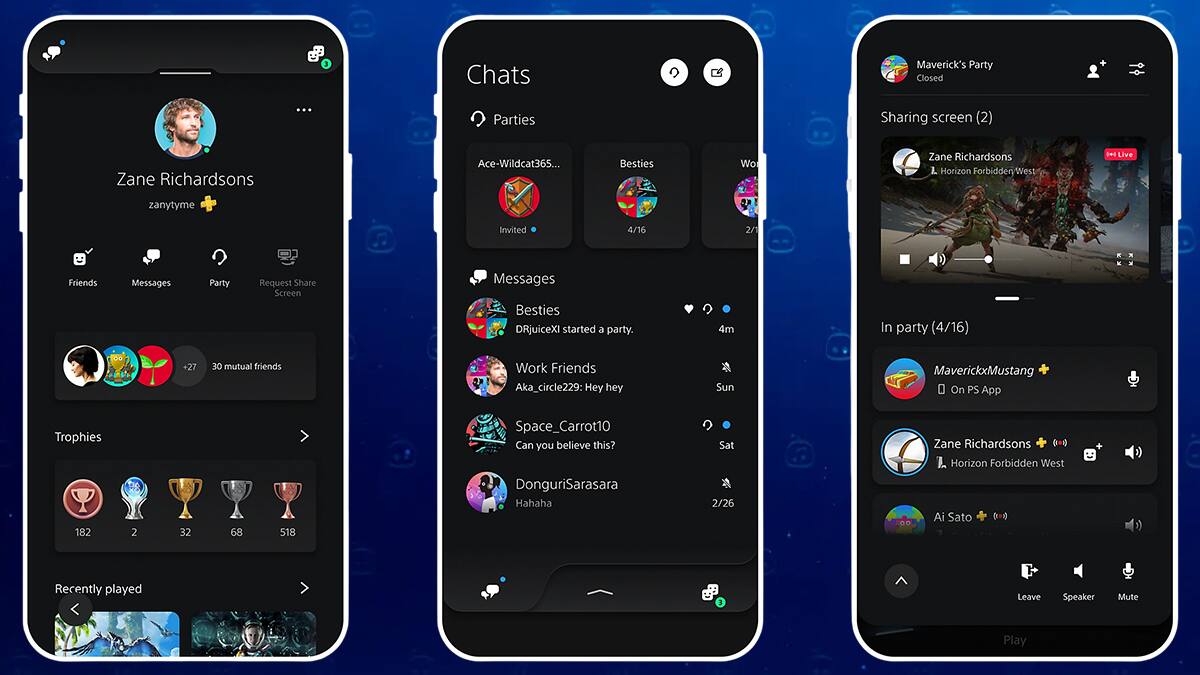
This Is How PlayStation’s New Protection System Would Work
Mp1st offers a fitting analogy, likening the AI-driven profile to an undercover law enforcement officer deployed as bait to draw out offenders.
It is important to emphasize that the patent does not describe a system designed to automatically punish or suspend users merely for engaging with the AI-controlled account. Instead, that initial interaction acts as a risk indicator that the user may warrant closer scrutiny.
Only after that profile approaches a legitimate player would a warning be issued to prevent harm. So what kinds of behaviors might trigger the system?
According to the patent documentation, warning signs include attempts to steer conversations into private channels, requests for personal information, contact with users who appear to be minors, sending offensive or harassing messages, engaging in fraudulent schemes, distributing spam, or displaying other deceptive conduct.
While the patent explicitly mentions minors as a key group in need of protection, it also clarifies that the system would be broadly applicable to all PSN users, shielding them from spam, scams, cheating, and general malicious activity.
Though the concept is promising, it remains to be seen whether PlayStation will move beyond the patent phase and actually integrate this feature into the PS5 ecosystem. Many patented ideas never materialize and Sony itself has previously filed for, but never released, an AI system capable of autonomously playing games on a player’s behalf.
What are your thoughts on this proposed safety measure? Share your thoughts in the comments below.
For more news on PlayStation, click here.
About the author

Recommended For You
 News
NewsRockstar Games Co-Founder Won’t Play GTA VI for a Good Reason — He Hasn’t Even Watched the Extended Trailer
 News
NewsKingdom Come: Deliverance Creator Thinks Games Are Too Cheap and Hopes GTA VI Will Help Raise Prices
 News
NewsPlayStation Plus Replaces One of Its October 2026 Free Games With a Title Rated 38 on Metacritic, and Subscribers Aren’t Happy
 News
News
Comentarios
Inicia sesión desde el menú superior para dejar un comentario.
Sé el primero en comentar.