Star Fox Doesn’t Hide the Original’s Cracks; It Turns Them Into Its Greatest Strength
By Pedro Pérez Cesari onI played an hour of Nintendo’s remake, and I’m happy to report that it does justice to the N64 classic
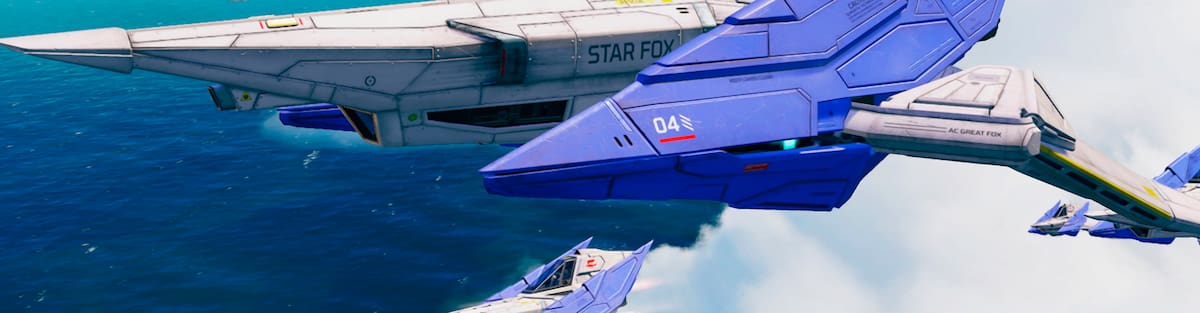
When Star Fox was first announced, much of the conversation focused on the character designs, the fact that it retells a familiar story, and whether certain insiders had gotten their information right. After spending an hour with the remake, however, I’m convinced we were all asking the wrong question.
The real question should have been: how do you modernize an almost perfect classic without losing what made it special in the first place?
Look, I get it. As someone who is getting dangerously close to the wrong side of 30, I have absolutely no problem with Star Fox 64. Quite the opposite. It’s a game I know inside and out. For better or worse, it’s practically tattooed onto my brain.
That said, it’s impossible to ignore some aspects that clash with modern expectations. It lasts barely two hours. Its appeal revolves around replaying it over and over with little reward beyond personal satisfaction. The multiplayer isn’t particularly impressive, and the story itself never truly shines.
There was clearly room to make Star Fox feel like a modern experience. After playing the remake for roughly an hour, I can confidently say Nintendo approached that challenge the right way.
So, is the new Star Fox good?
Star Fox is a remake that stands out for its ability to change, but also for the way it manages to stay the same. What I mean is that it has several changes that make it feel like a new game, but at the same time it feels like coming home for all of us who finished it over and over again.
There are several things to break down here, so let’s take it one step at a time, shall we? First, I want to talk about the graphics. Yes, I was one of those people who mocked and laughed at the characters’ appearance because, I’m sorry, but anthropomorphic animals with realistic touches are never going to be my preference. But, in the end, they didn’t bother me beyond my initial tantrum. The models are well made and have great chemistry and cohesion on screen. They feel very in tune with their world and the type of narrative Nintendo is trying to build.
Beyond the characters, Star Fox is visually gorgeous. Have you seen how the Arwings look? From the very first moment you see them flying through the blue skies above Corneria’s sea, your jaw drops, especially when you notice the small details they implemented to give personality to each team member’s ship. On the other hand, the environments are stunning. On Nintendo 64, Corneria looked like a city in trouble, whereas Star Fox hits you in the gut when you notice the horrors that Andross’ army unleashed here. At first, I feared that so much detail could be counterproductive and even distracting, but it ends up turning the game into a much more atmospheric adventure.
As I said before, with Star Fox Nintendo is trying to build a new narrative. Mind you, I don’t mean a new story; in fact, everything I saw points to it being the same one we already know, but the way it’s told has changed. Now, between stages, we’ll see sequences where Fox and the rest of the team interact, discuss the situation, and provide more context about the mission. It’s a brilliant decision because it allows Star Fox to present itself as what it truly is: a team of mercenaries who are willing to save the day, as long as they get paid. It also provides much greater context for what is happening and the role each battle plays in the war. It’s night and day compared to the “hang in there,” “it’s dangerous,” and “we need help” messages that General Pepper used to throw out in the original.
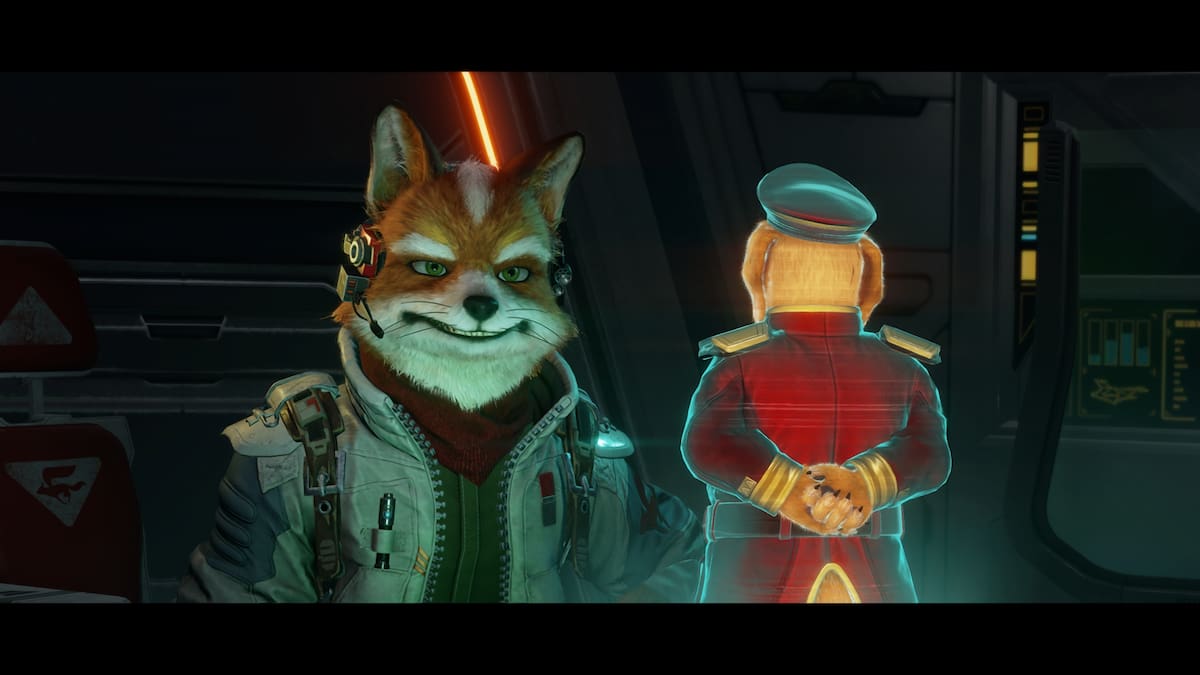
This also ends up elevating and highlighting the personalities of the cast, which seems like it will also lead to some degree of character development. In the original, each member had an almost caricature-like role, but here we see much stronger personalities and even certain tensions that will surely be resolved. This is also why the dialogue has been changed, something I originally resented (I know the script by heart, sorry), but now that I understand the reasoning behind it, I welcome it with open arms. On the other hand, what I played points to a very well-executed Latin American Spanish localization, just as Nintendo has accustomed us to expect.
Now for the most important question: how does it play? In that regard, it can be summed up in one simple sentence: it is exactly how you remember Star Fox 64. Let me explain. A few days before playing this remake, I spent some time revisiting Star Fox 64 on Switch Online and the remake released for Nintendo 3DS. Both are excellent versions, but they share one major issue: neither captures the natural feel of playing with the Nintendo 64 controller.
This is where the most important aspect of Star Fox comes into play: it feels incredible to play. The game adopts the control scheme introduced in the Nintendo 3DS version, assigning buttons for brake (B) and boost (Y), while leaving special maneuvers on the D-Pad. The main difference is that using Joy-Con 2 controllers or a Nintendo Switch Pro Controller 2 is far more ergonomic, providing a level of comfort that I never found on the handheld. The moment I took control and completed the tutorial, I was already performing barrel rolls, taking down tons of enemies, and most importantly, having just as much fun as I did during all those playthroughs of the original when I tried to earn every medal.
Another point I want to highlight is that Star Fox retains the original’s replayability. At the end of each mission, the game lets you know how well you performed and even notifies you about certain unlockables. This gives you a reason to come back and play again, and even set challenges for yourself, such as achieving the highest possible score on every level or completing the game without taking any damage.
With that said, it’s time to talk about the multiplayer. It was already present in the original game, but it was ultimately destined to be a fairly simple experience due to the hardware limitations of the time. That’s why the multiplayer has been completely reinvented, taking the foundation of the gameplay system and adapting it to new contexts in order to unlock its full potential.
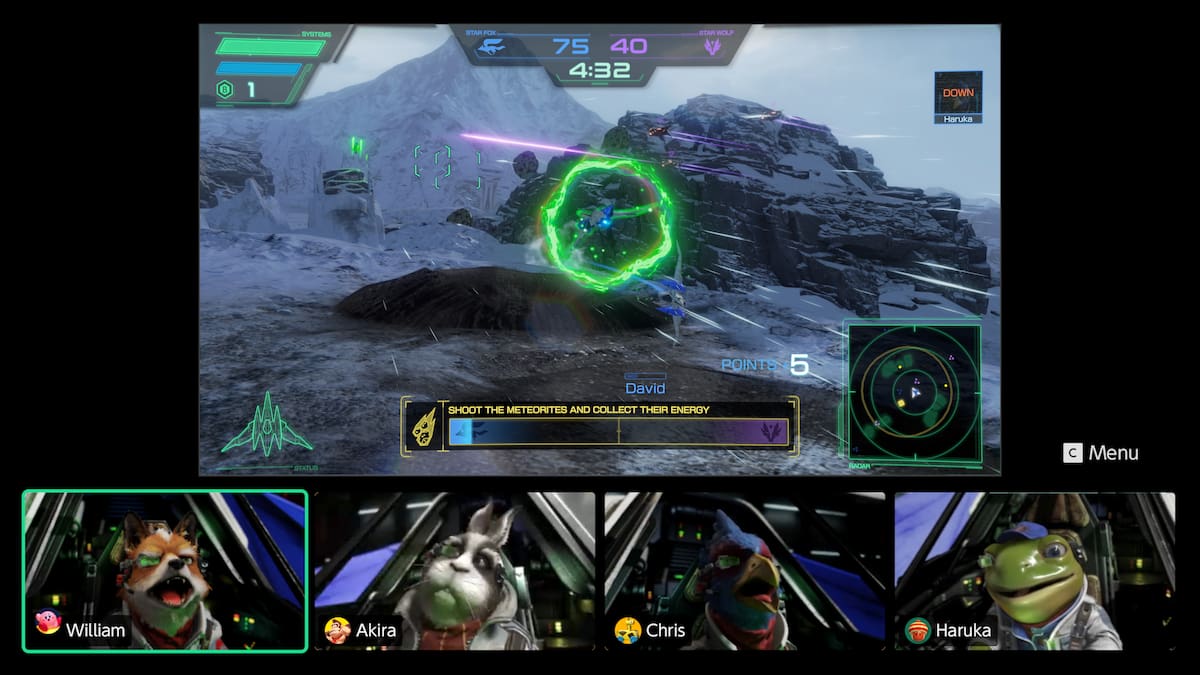
The mode I played can best be described as a kind of galactic capture-the-flag mode with three factions. In it, you’ll face off against another team made up of four players (one side represents Star Fox and the other Star Wolf). Both teams have the mission of taking down pirates, confiscating their loot, and bringing it back to their base. The winner is the team with the highest score at the end, and, as you can imagine, you earn points by delivering loot to your base and eliminating enemies. I had an incredible time with this mode because it’s intense, fast-paced, and even lends itself to forming rivalries with members of the opposing team, leading to entire matches where you spend all your time fighting each other and things become personal (within the Star Fox roleplay, of course).
I also got to try the virtual avatar mode through Game Chat, and it’s ridiculously fantastic. Sure, in the middle of a match you’re focused on what’s happening on-screen, but there’s something great about taking down an enemy and then seeing Slippy Toad or Peppy imitate the frustrated expression on your rival’s face below. I hope this mode has an active community when the game launches because it truly shines.
Cracks That Shouldn’t Be Hidden
In cases like this, it’s very common to use the phrase “they understood they didn’t need to fix what wasn’t broken,” and honestly, at first glance it fits perfectly. It’s a simple and quick way to explain what this remake offers.
However, I think that sentence falls a little short when it comes to describing what Nintendo is doing with Star Fox. You’ll never hear me say that Star Fox 64 is broken. However, the passage of time did leave visible cracks in some of its concepts. They remain beautiful ideas, but especially for those of us who learned to appreciate them decades ago.
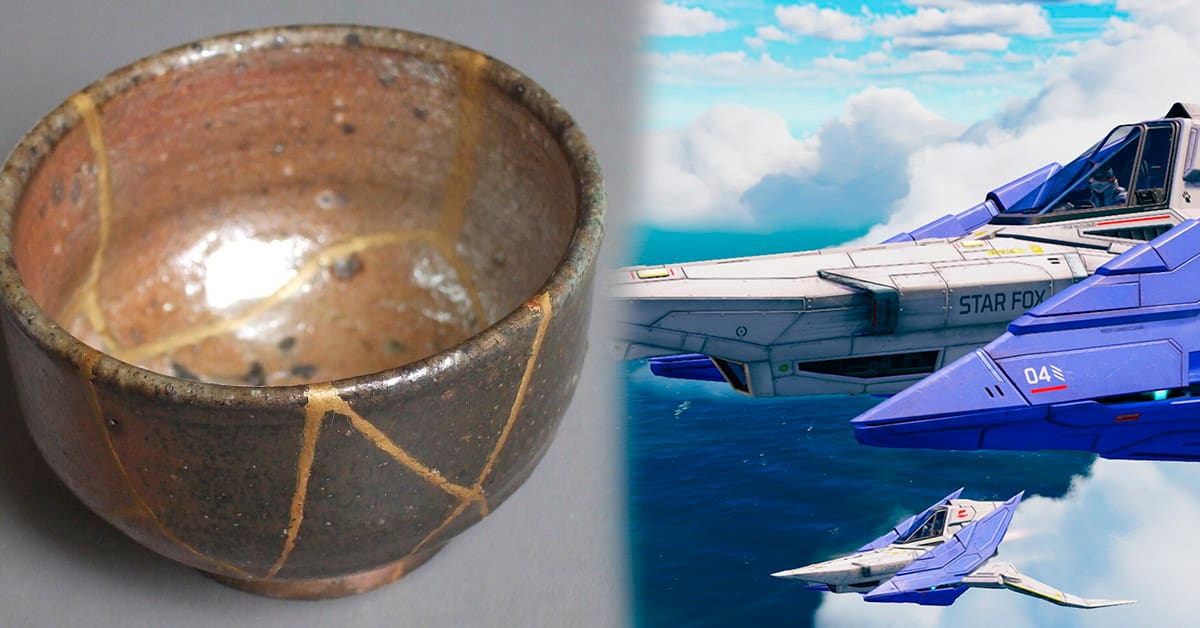
Because of that, the treatment this remake is receiving reminds me a lot of kintsugi, a Japanese technique for repairing ceramic objects that uses gold powder to mend breaks and cracks. What’s interesting about this art form is that it embraces the idea that breaks should not be hidden, but rather used to beautify the object and make it clear that there is a story behind it.
What I mean by this is that Nintendo did not approach Star Fox as a game that needed to be reinvented, but as one that deserved to be restored.
As such, the expanded narrative, new graphics, and control adjustments arrive like that gold powder, embracing and healing the cracks, while at the same time proudly presenting itself as a game from 1997 that still has everything it needs to shine despite the passage of time.
Star Fox will launch exclusively for Nintendo Switch 2 on June 25, 2026. You’ll find more news about this remake of the Nintendo 64 classic here.
About the author

Recommended For You
 Originals
Xbox Disc to Digital: Solution or Placebo?
 Originals
PlayStation Will Kill Physical Games Before the Industry Solves a Problem That Will Affect Us All
 Originals
“The Pressure Is Enormous”: We Spoke With Naoki Hamaguchi About Final Fantasy VII Revelation and the Challenge of Reinventing a Legend
 Originals
Comentarios
Inicia sesión desde el menú superior para dejar un comentario.
Sé el primero en comentar.