“The Pressure Is Enormous”: We Spoke With Naoki Hamaguchi About Final Fantasy VII Revelation and the Challenge of Reinventing a Legend
By Pedro Pérez Cesari onThe director of Final Fantasy VII Revelation reflects on the legacy of the franchise, the lessons learned from Remake and Rebirth, and the challenges of concluding a trilogy that has defined more than a decade of his career.
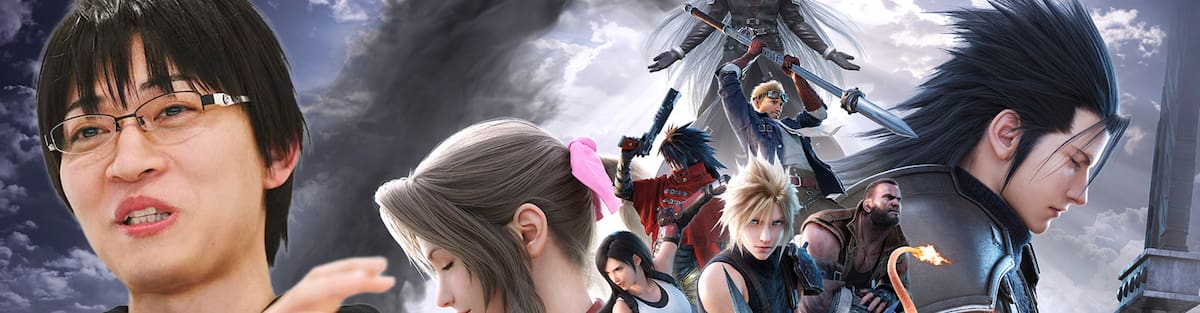
Without a doubt, one of the most exciting announcements of Summer Game Fest 2026 was the reveal of Final Fantasy VII Revelation. The game is highly anticipated for many reasons, but two stand out above the rest: the project’s enormous ambition and the fact that it represents the conclusion of one of the most monumental undertakings the video game industry has ever seen.
Recreating Final Fantasy VII as a modern game is a titanic task, not only because of the effort required to bring the adventure up to contemporary standards, but also because it carries the responsibility of offering a new interpretation of one of the greatest and most influential games ever made. As such, the final chapter of the remake trilogy is shaping up to be both thrilling and one of the most significant releases of the decade.
Thanks to Square Enix, we had the opportunity to speak with Naoki Hamaguchi, director of Final Fantasy VII Revelation. During our conversation, we discussed the vision behind this new installment, what it means to lead a project of this scale, and some of the things players can expect from the adventure.
Without further ado, here is our interview.
LevelUp: I’d like to start by talking about the announcement we saw last week during Summer Game Fest. Something very interesting is that Remake and Rebirth seemed primarily focused on the story and its mysteries, while Revelation appears to place much more emphasis on gameplay systems.
After the huge success of Rebirth, how do you feel as a creator about the gameplay formula the team has built throughout this trilogy?
Naoki Hamaguchi:
That’s a great question. Thank you for asking.
When we looked at the reception to Final Fantasy VII Remake and Rebirth, we noticed that many players around the world—including people who had never played Final Fantasy VII before—viewed the series primarily as an experience centered on its story, characters, and world.
And while that is certainly true, one of Final Fantasy VII’s greatest strengths has always been its gameplay as well.
We felt we hadn’t fully communicated that aspect through Remake and Rebirth. That’s why, with Revelation, we want to place much greater emphasis on gameplay and clearly convey that Final Fantasy VII is not just a story or a cast of memorable characters, but also a deep and enjoyable gameplay experience.
For that reason, in Revelation’s initial reveal, we chose to focus on gameplay before narrative. We wanted to show people just how fun it is to play.
Additionally, we had the opportunity to close Summer Game Fest 2026, which allowed a large audience to see firsthand what kind of game Revelation is. I’m very satisfied with the response so far and excited to see how players react when the game launches.
LevelUp: Staying on the topic of gameplay, one of the most common criticisms of open-world games is that they can be massive in scale while offering little truly meaningful content.
After Rebirth, what lessons did the team learn about optional content and exploration to ensure Revelation maintains a sense of discovery throughout the experience?
Naoki Hamaguchi:
There were two key concepts behind our approach.
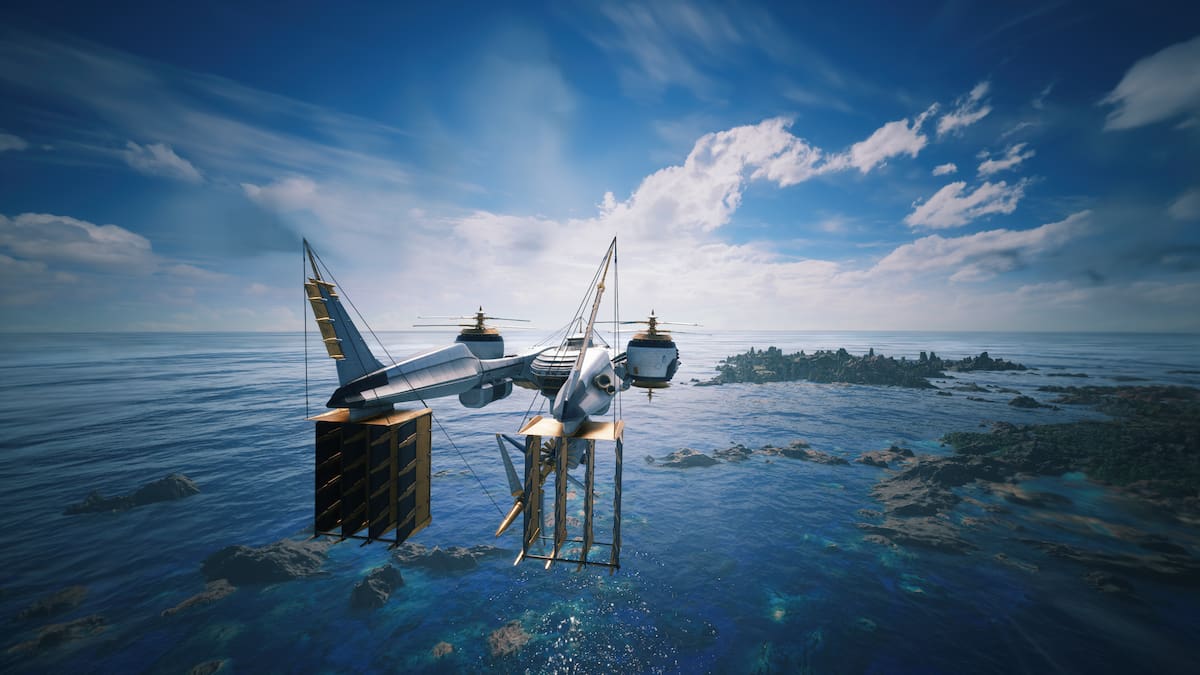
The first was that we couldn’t simply repeat Rebirth’s open-world and exploration design. We needed to offer something new. Yes, the world will be larger than Rebirth’s, but not only horizontally. It will also grow vertically.
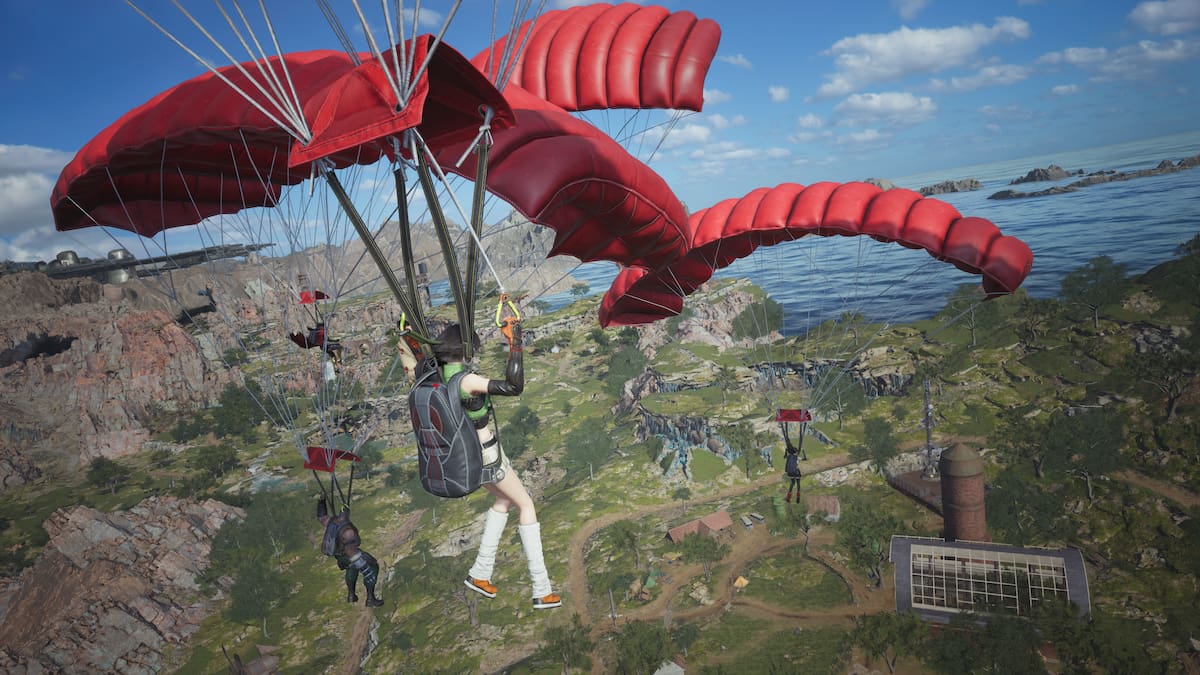
As we briefly showed in the reveal trailer, characters can jump from the Highwind using parachutes, and players can control where they land. In addition, there’s a special chocobo named Pico that can develop abilities, including the power of flight. The idea is that exploration expands not just in size, but also in possibilities.
The second concept was providing better guidance for players. Many open-world games use visual landmarks to help players navigate without feeling lost, and we’ve paid special attention to that aspect in Revelation.
As for side content, there will be even more activities than in Rebirth. However, we’ve also adjusted the rewards.
In Rebirth, many minigame rewards were tied directly to the combat system through Materia. This led some players to feel they had to complete activities they weren’t interested in if they wanted to optimize their characters.
In Revelation, we’re changing that approach. Rewards will be more focused on the minigames themselves, cosmetics, skins, and similar content rather than directly affecting combat. It will be interesting to see how players respond to those changes.
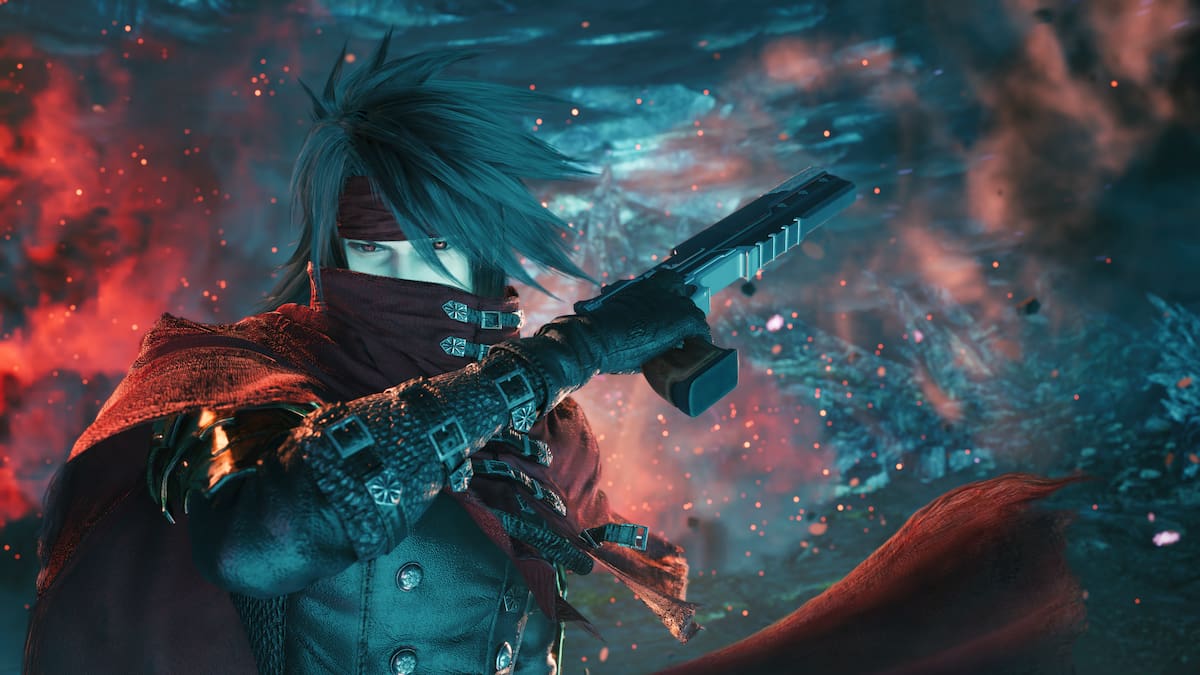
LevelUp: One character I’m especially curious about is Vincent. In the original game, he was optional and therefore received less development than other party members. What opportunities did this trilogy give you to expand his role and make him a more important part of the story?
Naoki Hamaguchi:
From the beginning of the project, we never intended to simply retell the original Final Fantasy VII story. We also wanted to incorporate elements from the various titles that make up the Compilation of Final Fantasy VII and reinterpret them within this new version of the narrative.
Regarding Vincent specifically, it’s still not the right time to share concrete details about his new scenes or story developments because we want to avoid spoilers. What I can say is that there will be many references and familiar moments for fans who have followed Vincent’s story through other Final Fantasy VII-related titles.
I hope players discover those elements for themselves when they play Revelation.
LevelUp: You’ve been working on this project for a very long time. If you compare the Hamaguchi who started as co-director on Final Fantasy VII Remake to the Hamaguchi who is now finishing Final Fantasy VII Revelation, what would you say is the most significant difference between them?
Naoki Hamaguchi:
I began as co-director on Final Fantasy VII Remake. Then, with Final Fantasy VII Rebirth, I became director, and now I am also directing Final Fantasy VII Revelation. However, I’d like to clarify something.
Although my title has changed, Tetsuya Nomura has overseen not only the Remake series but the entire Final Fantasy VII franchise as the IP’s creative director.
In that sense, throughout all these years I have remained the primary person responsible for guiding the development of the games. Because of that, I don’t feel there’s a dramatic difference between my role as co-director on Remake and my role as director on Revelation.
What has been especially important is the relationship of trust I’ve built with Nomura-san. He’s an extraordinary creator, and I’ve always deeply respected his creative vision as a developer.
At the same time, he has placed tremendous trust in me as both a developer and project director. That mutual trust we’ve built throughout the years working on this trilogy has been incredibly valuable, and I believe it’s one of the reasons we’ve been able to reach this point.
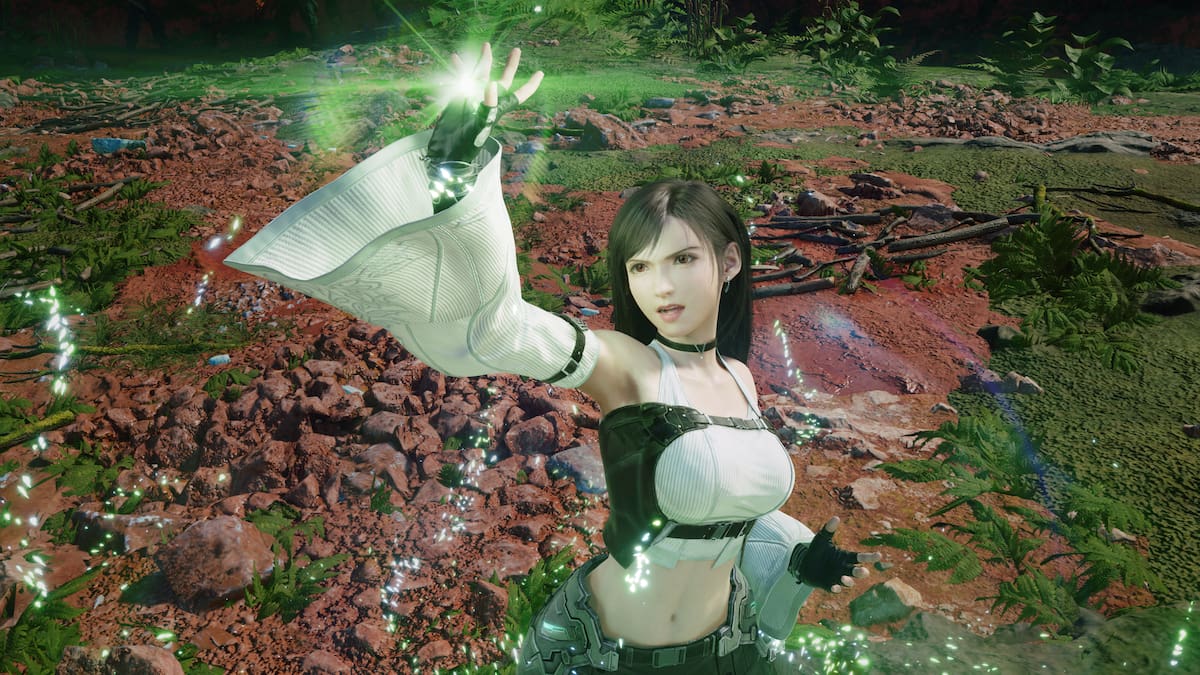
LevelUp: I assume you played Final Fantasy VII in the 1990s. Thinking back to the Naoki Hamaguchi who first experienced the game in 1997, what aspect of Revelation do you think would surprise him the most?
Naoki Hamaguchi:
The simple fact that I have spent more than ten years of my life as a developer and creator remaking a story that I originally played as a teenager already feels very strange to me.
I think many people from my generation would probably envy a position like mine: having the opportunity to work on a new version of a work that shaped our childhood. At the same time, however, Final Fantasy VII is an incredibly beloved and respected franchise around the world, so the pressure is enormous.
Honestly, I’m not sure I would recommend this responsibility to other people because it comes with tremendous expectations and a very heavy burden. That said, I’ve truly enjoyed the development process.
There’s still a lot of work left because development isn’t finished yet, but I’m incredibly excited to complete the project.
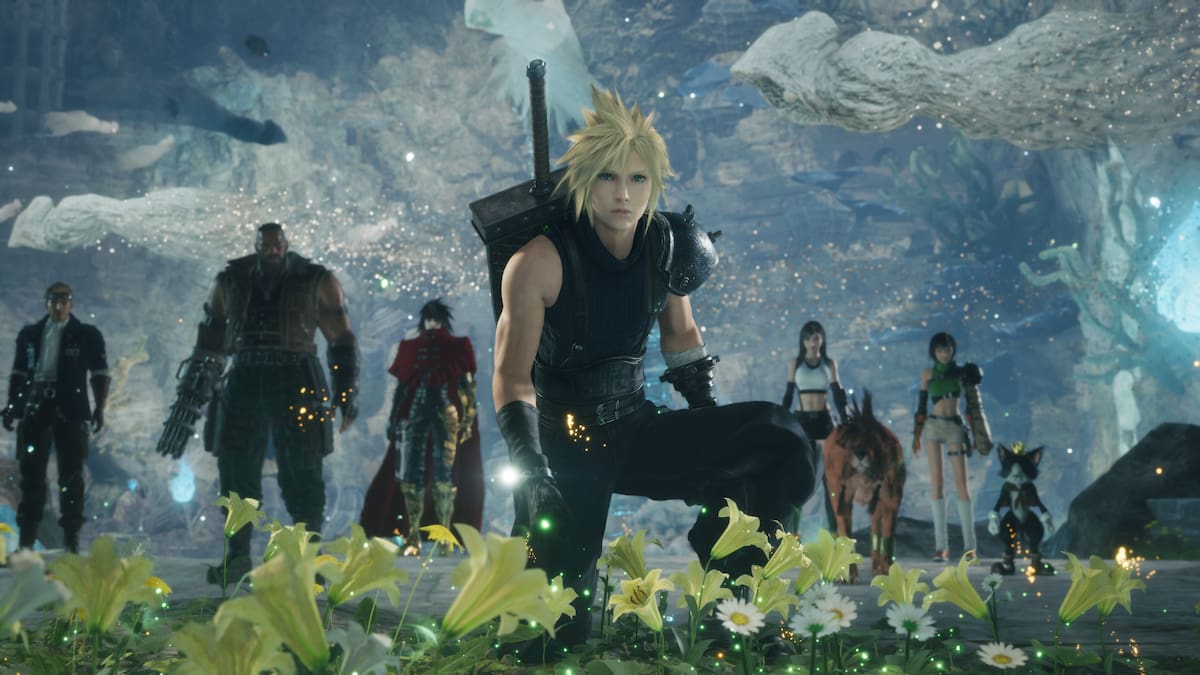
Final Fantasy VII Revelation will launch in 2027 for PlayStation 5, Xbox Series X|S, and Nintendo Switch 2. The game will be a simultaneous multiplatform release across all announced platforms.
About the author

Recommended For You
 Originals
Xbox Disc to Digital: Solution or Placebo?
 Originals
PlayStation Will Kill Physical Games Before the Industry Solves a Problem That Will Affect Us All
 Originals
Star Fox Doesn’t Hide the Original’s Cracks; It Turns Them Into Its Greatest Strength
 Originals
Comentarios
Inicia sesión desde el menú superior para dejar un comentario.
Sé el primero en comentar.