Xbox Project Helix May Have 40% More Teraflops Than PS6, but Insider Believes Price Tag Could Matter More Than Power
Gamers seeking performance may need to save up more money.

As the next generation of gaming hardware draws closer, official details regarding the PlayStation 6 and Xbox Project Helix remain firmly under wraps. While Microsoft and Sony maintain their silence, industry leaks offer a glimpse into what both systems may bring to the table.
A renowned insider suggested Microsoft will hold a clear hardware advantage. According to these reports, Xbox Project Helix is set to outspec the PS6 across several key metrics. However, the insider emphasizes that raw performance may take a backseat to cost in determining market dominance.
Xbox Project Helix Will Outperform PS6 on Power and Performance
The leak originates from Kepler_L2, an insider with a strong track record after accurately leaking technical details for both the PS5 and Xbox Series X|S prior to launch. His latest disclosures regarding the PS6 and Project Helix center heavily on processing capability.
According to Kepler_L2’s sources, AMD has already finalized the core silicon designs for the PlayStation and XBOX consoles, keeping the release timeline on track for a target window between late 2027 and early 2028. However, issues on global memory supply chains could change plans for both.
The most interesting reveal of the report is that Microsoft’s console appears vastly superior on paper when it comes to teraflops, a measure of computer processing speed.
Kepler_L2 reports that Project Helix targets 56 teraflops, compared to 40 teraflops for the PS6. This gives Microsoft a 40% raw advantage, which could translate into better improvements regarding power and technology compared to XBOX.
These leaked figures align with independent reports from tech channel Moore’s Law Is Dead, another prominent source with connections inside AMD. Both insiders agree: high production costs will make both the PS6 and Project Helix very expensive, placing the cost at the absolute center of the next console generation.
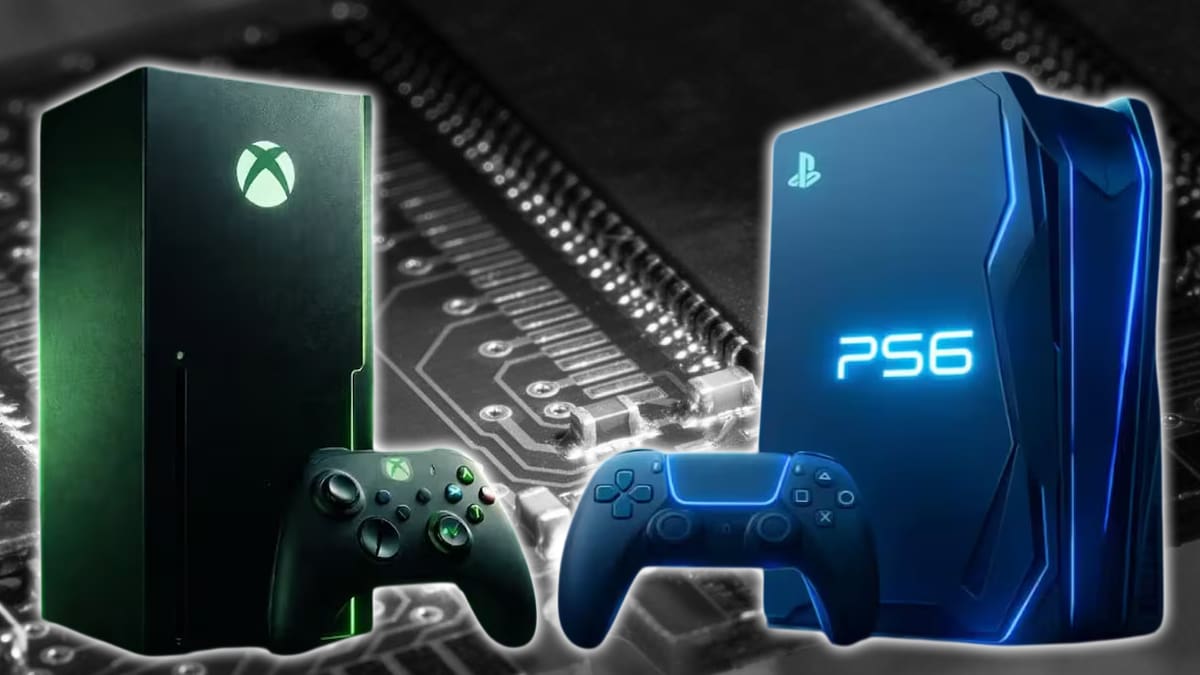
Retail Price Will Define the Next Generation
Rising inflation, new trade tariffs, and persistent component shortages have pushed video game software, subscription services, and hardware to historical highs. While official prices are still unknown, industry speculation suggests both next-gen systems could cost over $1,000 USD.
In Kepler_L2’s view, the upcoming battle will be defined by price strategy rather than technical superiority, a dynamic that could give PlayStation a decisive edge. Even if Xbox delivers a more powerful console with Project Helix, a higher price tag could turn off consumers.
Moore’s Law Is Dead echoed this sentiment, noting that market share will belong to whichever company manages cost control better. Ultimately, Xbox’s performance lead may mean little if PlayStation is cheaper.
Recommended For You
 News
NewsStriking Anime-Style RPG Is Free to Download on PC for a Limited Time
 News
NewsIconic Xbox and PC Franchises Face Uncertainty Following Massive Studio Layoffs
 News
NewsHalo Studios Reportedly Down to Just 20 Staffers Following Latest Xbox Layoffs as Former Executives Decry the Purge
 News
News
Comentarios
Inicia sesión desde el menú superior para dejar un comentario.
Sé el primero en comentar.