PlayStation Will Kill Physical Games Before the Industry Solves a Problem That Will Affect Us All
By Daniel Laguna onThe end of disc-based games exposes the dangers of an all-digital future
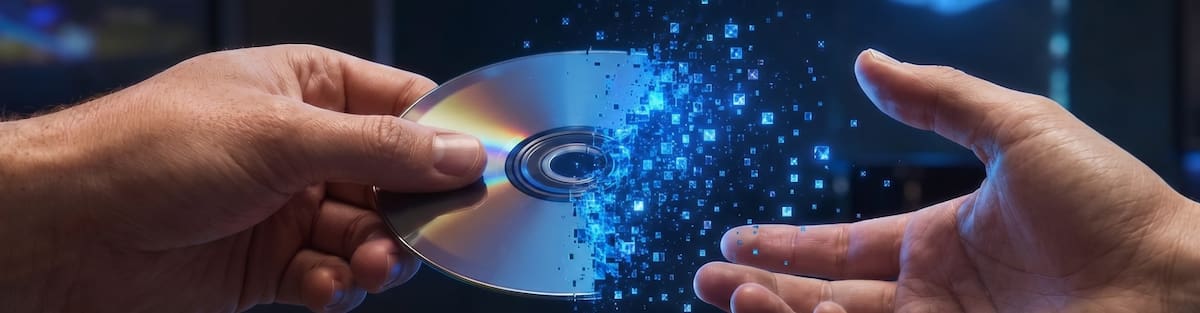
“You’ll own nothing and be happy” is a phrase that perfectly sums up the future awaiting us as players. PlayStation will abandon physical games in January 2028 and transition to a digital-only ecosystem that now seems inevitable. As a result, the debate is no longer about which format is better; instead, we need to discuss something far more important.
As consumers, we are becoming part of an industry in which no one can guarantee continued access to the content we pay for, while options such as lending, reselling, or sharing our games will simply cease to exist. And this is only the tip of the iceberg of an even greater problem—one that shows the industry is not ready to make the leap to an all-digital future without harming consumers.
The real problem behind the disappearance of physical games
Over the years, digital distribution has become enormously popular, and it’s easy to understand why. Digital downloads offer convenience and instant access that are difficult to give up. However, not everything is positive. In exchange, we become dependent on terms and conditions that companies control and can modify at will, while we have no choice but to accept them.
Despite these concerns, digital distribution already dominates the market, and the numbers prove it. When the PlayStation 4 launched, digital games accounted for less than 10% of Sony’s sales. Over time, that landscape changed dramatically. Today, 8 out of every 10 games sold by the company are distributed through the PlayStation Store. With those figures in hand, Sony justified its decision to stop producing physical games starting in 2028, claiming it is simply adapting to “our consumer habits.”
The reality is that physical games are far from being a niche product. In 2025 alone, PlayStation shipped nearly 70 million physical copies. It is true that sales have declined significantly—especially for first-party games and in markets such as the United States—but the market remains alive, with hundreds of thousands of copies changing hands every day through retailers, the secondhand market, and collector communities. Nevertheless, this method of distribution represents a major inconvenience for large corporations, and ultimately, it all comes down to money.
Bloomberg journalist Jason Schreier did the math and revealed that PlayStation receives approximately $45.50 USD from a $70 USD first-party physical game, as the remaining revenue is divided between retailers and manufacturing costs. With digital sales, however, nearly the entire $70 USD goes directly to the company’s bottom line, aside from taxes and other minor expenses. Third-party publishers enjoy similar financial benefits when distributing games exclusively in digital form, which explains why so many companies are eager to move away from discs.
Physical games are not disappearing because nobody buys them. They are disappearing because digital distribution gives companies greater control over the market. The end of discs will fundamentally change the rules of the industry—and not in consumers’ favor.
For years, we have witnessed—and often suffered from—anti-consumer policies, many of them backed by terms and conditions that, let’s be honest, very few people actually read. Without physical media as an alternative, those conditions will become the only rules that matter. We will be entirely subject to whatever decisions PlayStation and other companies make regarding our content. The alarming part is that this future has already begun, years before physical games officially disappear.
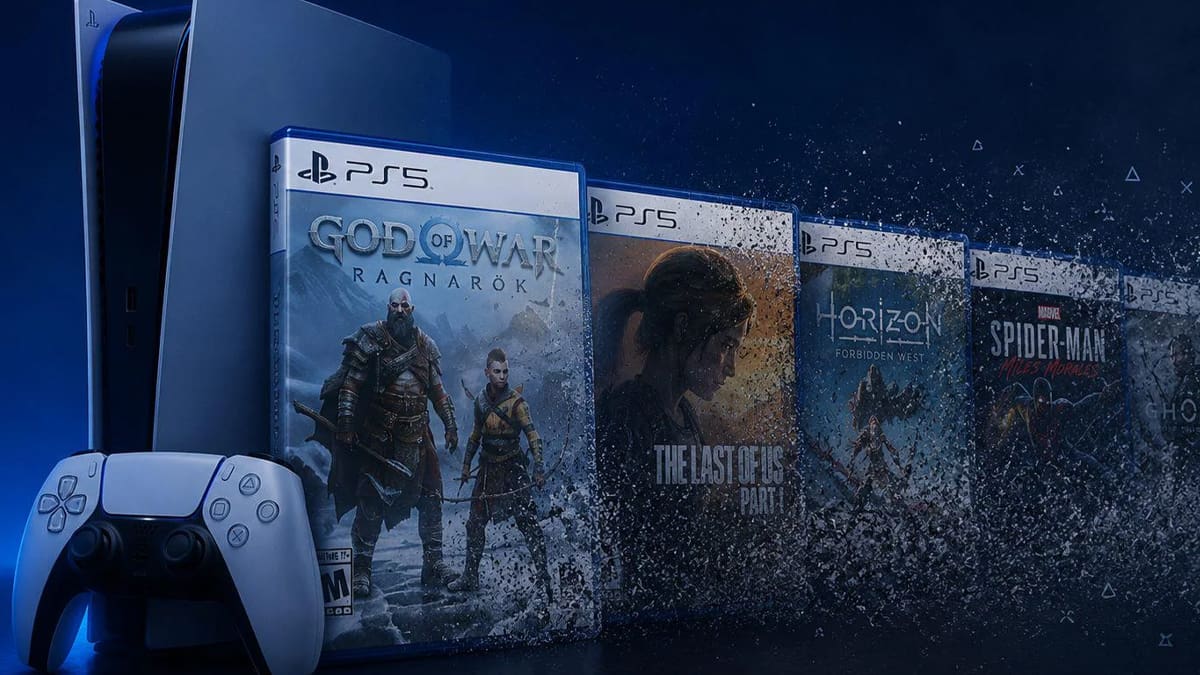
You’ll own nothing and be happy with digital games
Now more than ever, it is important to remember that buying a digital game does not mean you actually own it. What we purchase is merely a license linked to our accounts, whether on PlayStation, Xbox, Steam, or Nintendo.
It is true that physical discs do not grant absolute ownership either, as many modern releases function as little more than activation keys that still rely on updates, additional downloads, and online servers. Even so, physical copies can still be lent to friends, resold, gifted, or collected.
As digital distribution becomes the only option, all of those freedoms will eventually disappear. This highlights the absence of meaningful regulations regarding digital ownership and the lack of policies designed to protect consumers from potential abuses by large corporations. PlayStation has already given us a glimpse of that future.
Xbox is no exception. Recent cases demonstrated how easily someone can lose access to an entire digital library. One Brazilian player lost access to all of his games after Microsoft suspended his account over an alleged hacking incident. Another player similarly lost access to thousands of dollars’ worth of digital purchases. Both ultimately recovered their content, but only after filing lawsuits or generating significant public pressure—and not everyone will be fortunate enough to achieve the same outcome.
More recently, PlayStation announced that it would remove access to more than 500 movies and TV shows previously purchased by users, without offering refunds or any form of compensation. In some countries, its policies also allow the company to permanently delete PlayStation Network accounts—including all associated digital games—after 36 months of inactivity. To make matters worse, the closure of the PlayStation 3 and PS Vita digital storefronts serves as another reminder of how fragile digital ownership truly is and how vulnerable consumers remain in an industry without physical media.
These examples demonstrate that our digital libraries—and years of financial investment—ultimately depend on decisions beyond our control. A problem with our account, the shutdown of a server, or the expiration of a licensing agreement could erase our entire collection overnight.
This issue should be a top priority for the Entertainment Software Association (ESA), an organization that claims to represent consumers’ interests. Instead, the association has largely remained silent. Its lack of proposals is hardly surprising, considering it represents Sony and many other major companies that have a strong interest in accelerating the industry’s transition toward digital distribution.
From a legal standpoint, the outlook is not much better. The European Union has acknowledged that it cannot require PlayStation—or any other company—to continue producing physical games. The Stop Killing Games initiative attempted to change that reality, but authorities ultimately concluded they also cannot force publishers to keep games functional after they discontinue support.
Brazil, however, has begun discussing possible solutions. A proposed law would require companies to provide at least 180 days’ notice before shutting down a game, enable offline functionality whenever possible, and even offer refunds to consumers.
Mexico has also begun taking action. Congresswoman Iraís Reyes and Senator Luis Donaldo Colosio have filed a complaint against PlayStation over its decision to eliminate physical games. They argue that Sony will gain even greater control over an already closed ecosystem—a concern reinforced by the company’s upcoming regional pricing changes in the Mexican PlayStation Store, where exchange-rate conversions for digital games have already sparked controversy.
Another issue that major companies prefer not to address is digital inheritance. China has already taken initial steps toward recognizing the legal value and possible transfer of digital assets, including gaming accounts. Mexico has also introduced proposals to include digital content within inheritance laws, although those discussions remain ongoing.
One thing is already certain: companies are fully prepared for a future without physical games. Consumers, however, will enter that future with fewer choices and without any guarantee that they will always retain access to the entertainment they paid for and love.
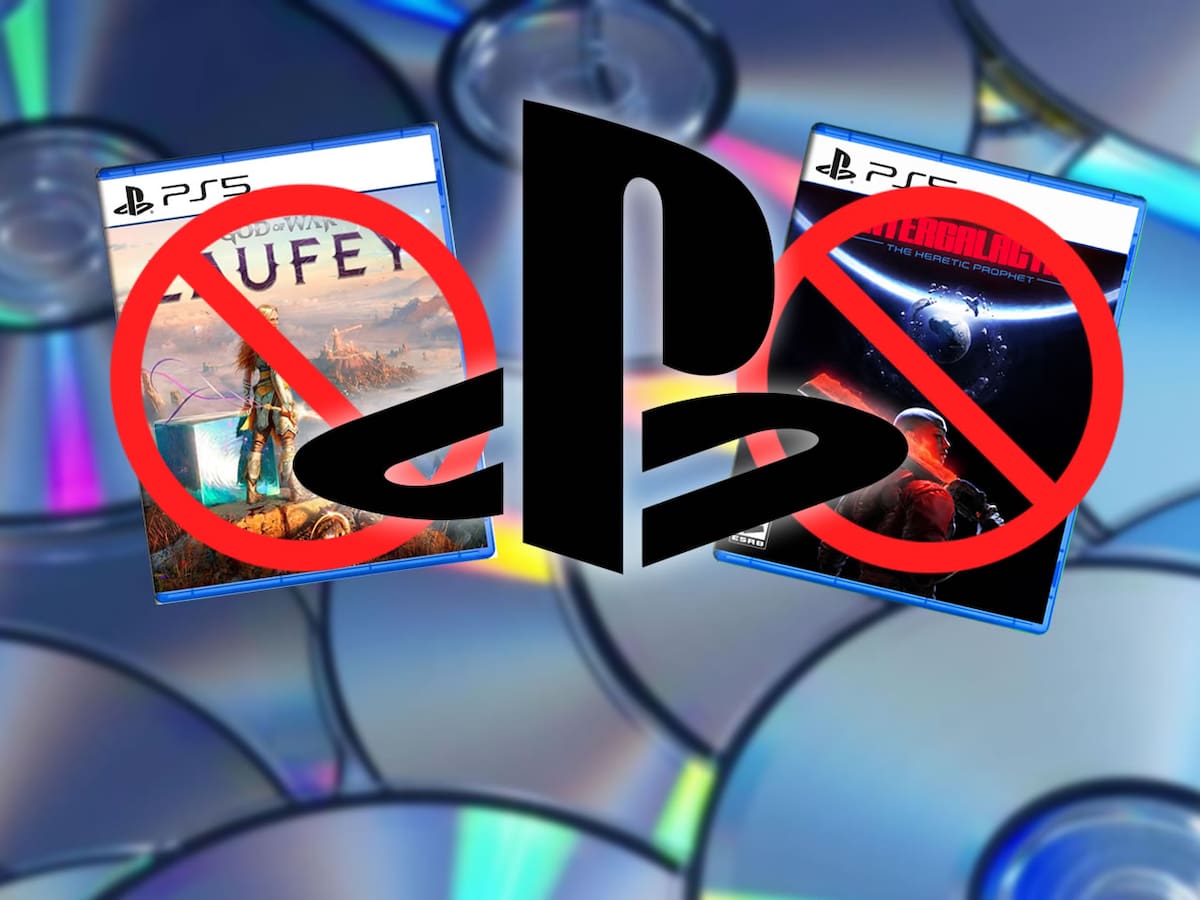
The Industry Is Not Ready for the Transition to Digital
If the video game industry is going to fully embrace a digital future, it should offer us more than the conveniences we’ve already grown accustomed to. Fortunately, physical discs will not disappear overnight, and there is still time to implement measures that make this transition less disruptive.
Games released before January 2028 will still be able to launch on disc—but only if their publishers choose to do so. After that, players will have to adjust to a new reality, with store shelves filled with boxes containing nothing more than download codes. Reports indicate that both the PlayStation 6 and Project Helix will launch without disc drives, suggesting that this transition is already irreversible.
Fortunately, it appears that companies will not leave players entirely without options. Microsoft is reportedly developing Disc2Digital, a feature that will allow Xbox One and Xbox Series discs to be converted into digital licenses at no additional cost. It is a necessary step toward preserving existing collections in the face of the coming shift, but it is still far from enough. The industry also needs better ways to share or transfer digital licenses and preserve games without forcing consumers to navigate increasingly complex copy-protection systems.
The end of an era is approaching, and the industry appears ready to make the leap before the necessary safeguards are in place.
For years, PC gaming has demonstrated that the real issue is not digital distribution itself, but rather how companies choose to manage it. On PC, users can download installation files, purchase games from multiple storefronts, create backups, and buy DRM-free titles, preventing their purchases from being locked into a single platform or closed ecosystem.
Without question, the industry still has significant work to do regarding consumer rights and legal protections before it is truly prepared for a fully digital future. There is still time to address these issues and ensure that players receive stronger guarantees, but the biggest question remains whether companies are willing to make that effort.
What do you think about the disappearance of physical games? Let us know in the comments, and stay informed with LEVEL UP.
About the author

Recommended For You
 Originals
Xbox Disc to Digital: Solution or Placebo?
 Originals
“The Pressure Is Enormous”: We Spoke With Naoki Hamaguchi About Final Fantasy VII Revelation and the Challenge of Reinventing a Legend
 Originals
Star Fox Doesn’t Hide the Original’s Cracks; It Turns Them Into Its Greatest Strength
 Originals
Comentarios
Inicia sesión desde el menú superior para dejar un comentario.
Sé el primero en comentar.