Chinese Court Rules That Video Game Accounts Can Be Inherited, Following Mother’s Claim for Her Deceased Son’s 87 Verified Profiles
By Víctor Rosas onAuthorities recognized that such accounts hold both use value and transferable worth.

Although the world is advancing rapidly into the digital age, society remains in a transitional phase, gradually shedding physical formats. Streaming and online platforms offer undeniable convenience, yet they rarely confer true ownership or property rights over digital content.
This reality then clashes with matters such as death. When a player passes away, the fate of their digital profiles raises the question: Can user accounts be inherited, allowing survivors to legally access, enjoy, or even trade them?
While most of the West says no, a Chinese court has taken a stance in the opposite direction, affirming that, yes, they can be inherited.
A Chinese District Court Establishes That Videogame Accounts Can Be Inherited
In a groundbreaking decision, the Shijingshan District Court in China ruled that a digital video game account qualifies as inheritable property, according to reports from Kotaku.
The case was brought by a Beijing mother who filed a lawsuit against a gaming company, seeking to reclaim 87 verified user accounts that belonged to her late son.
According to court documents, the deceased had been an avid online gamer for over a decade, dedicating himself to the hobby until his passing at age 36 from an illness. Over that period, he created and fully verified 87 accounts, all of which he filled with valuable in-game digital content.
The mother, who comes from a modest financial background, was initially unaware of the accounts’ worth. However, after seeking legal counsel, she learned that they could command considerable value in the online gaming community though the specific game titles involved have not been disclosed.
This prompted her to request that the accounts be included in her son’s estate. The game company refused, citing clauses in its user agreement and terms of service that explicitly prohibit account inheritance or transfer.
Nevertheless, the Chinese court ruled in the mother’s favor, reasoning that video game accounts demand substantial investments of time, effort, and money. As such, they possess both use value and transfer value, which establish property interests, thereby making them eligible for inheritance.
A Significant Precedent for Players and the Gaming Industry
The court’s decision sets an important legal precedent for the digital era. While national laws vary and most remain unfavorable to users, this is an interesting step forward.
The judgment draws on a 2021 amendment to China’s Civil Code, which opened the door for legal protection of video game accounts even if digital.
Article 127 states: “If other laws contain special provisions on the protection of data and online virtual assets, such provisions shall prevail.”
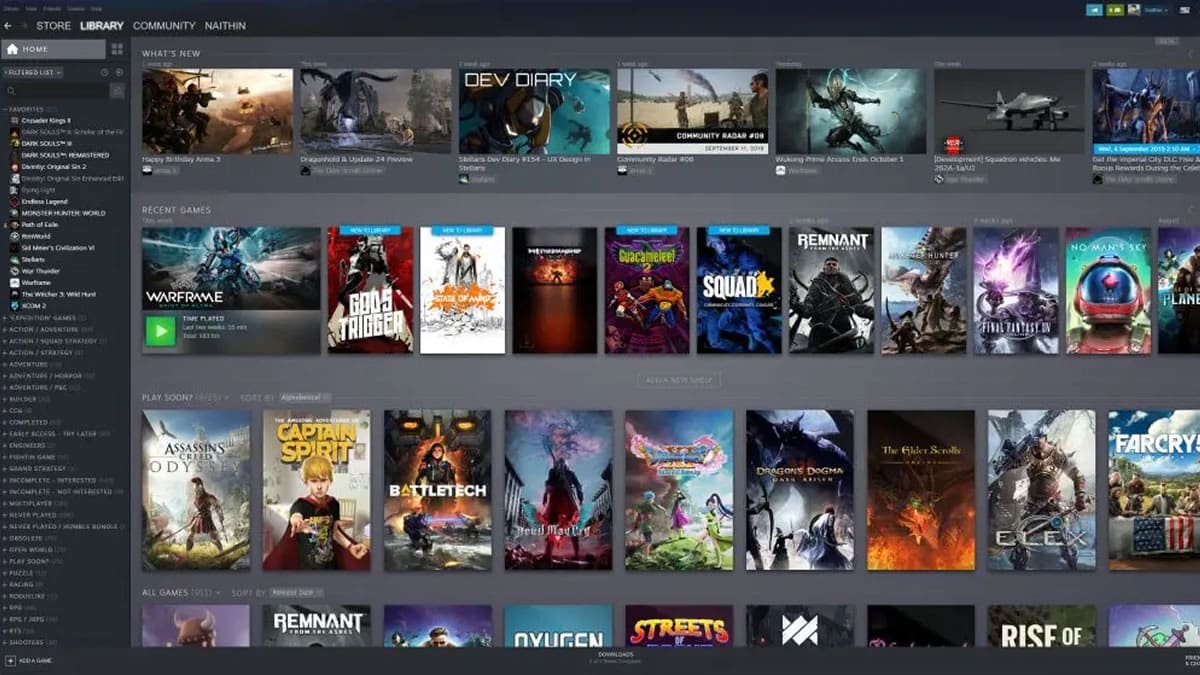
In contrast, Western companies such as Valve (Steam), PlayStation, Xbox, and Nintendo explicitly prohibit account inheritance in their user agreements. Although a survivor may technically retain a deceased person’s username and password to keep the profile active, they would lack legal standing to claim ownership if verification issues or disputes arise.
Meanwhile, in Mexico, the topic has already entered legislative discourse. In Mexico City, Congresswoman María del Rosario Morales Ramos of the Morena party has introduced a reform initiative aimed at allowing user accounts and digital files to be included in inheritances.
For more news on the gaming and entertainment industries, click here.
Stay tuned to LEVEL UP for continuing updates.
About the author

Recommended For You
 News
NewsRockstar Gets Its Way: Most GTA VI Pre-Orders Are for the $100 Edition Despite Criticism and Boycotts
 News
NewsUS Recruits Over 2,000 Video Gamer Players to Become Air Traffic Controllers
 News
NewsGTA VI Carries an $80 Price Tag, but Student Gamers on PS5 and Xbox Series X|S Can Unlock a Significant Discount
 News
News
Comentarios
Inicia sesión desde el menú superior para dejar un comentario.
Sé el primero en comentar.