Did The Legend of Zelda: Ocarina of Time Really Need a Remake? Nintendo Explains Why It Made It Happen and Reveals Which Team Developed It
By Daniel Laguna onEiji Aonuma, the series’ producer, discussed the importance of this project for Switch 2

Many Nintendo fans were surprised when they learned that The Legend of Zelda: Ocarina of Time would receive a remake for Switch 2. At first, Link’s revamped adventure raised questions among some players and sparked a debate over whether it was really necessary.
Now, fans of the series are convinced that a new version was needed to bring The Legend of Zelda: Ocarina of Time back to life and introduce it to a new generation of players. Eiji Aonuma, the franchise’s producer, agrees that the remake was essential.
In a recent interview, the Nintendo creative explained why the company decided to remake The Legend of Zelda: Ocarina of Time. He also put an end to speculation about which studio was responsible for its development.
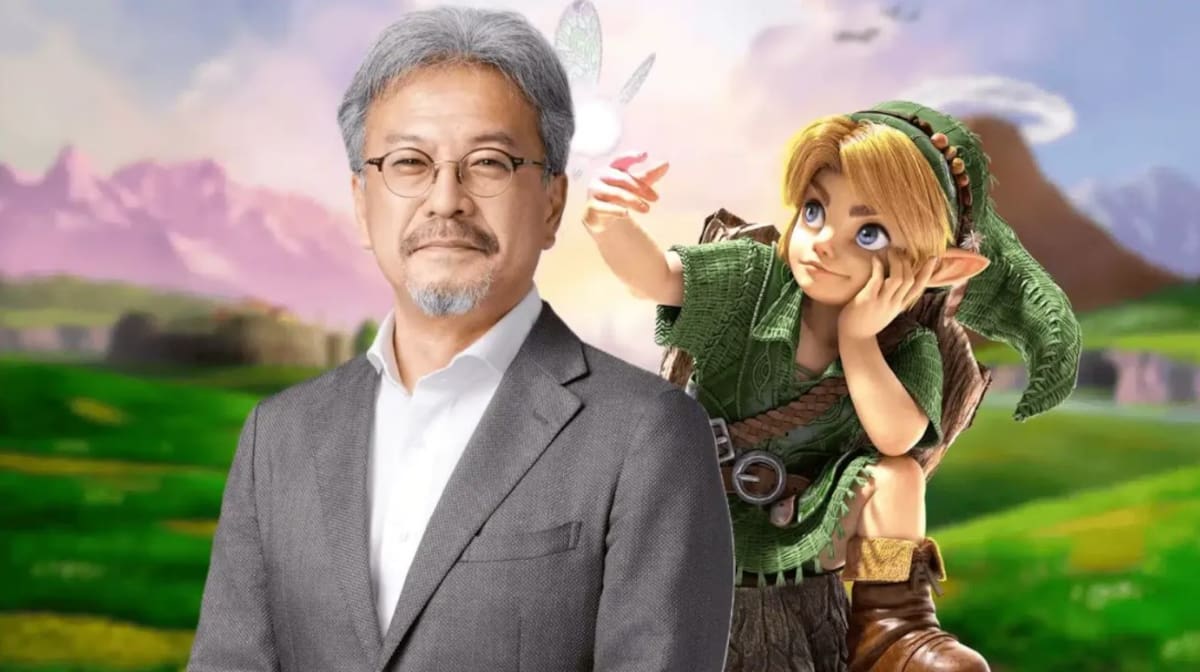
Why did Nintendo remake The Legend of Zelda: Ocarina of Time for Switch 2?
The return of The Legend of Zelda: Ocarina of Time is a major event for millions of players, whether they enjoyed the original 1998 release or are fans of the franchise. The remake will arrive just in time to celebrate the IP’s 40th anniversary, but Nintendo had another important reason for bringing it back.
Eiji Aonuma explained that this was the ideal time to remake the Nintendo 64 title because many of the developers currently working on the series have only worked on its more recent games. This means they are not really familiar with the franchise’s legacy or everything Ocarina of Time represents.
“Some team members only vaguely know the game, while others played it when they were children. But I started wondering how they would interpret The Legend of Zelda: Ocarina of Time when developing future Legend of Zelda games,” the creative explained.
From Aonuma’s perspective, it was important for the people in charge of the series to understand the “game structure and development style” that Ocarina of Time introduced at the time. That way, they could come up with ideas for future entries in the franchise, regardless of whether they follow a classic approach.
“New perspectives could emerge that they could apply to future development. If we could achieve that, I think it would be incredibly valuable. That led us to the conclusion that now is the right time to play The Legend of Zelda: Ocarina of Time again,” Aonuma added.
There was another important reason Nintendo decided to bring back Link’s acclaimed adventure: players who are more familiar with the formula found in Breath of the Wild and Tears of the Kingdom. The company wanted fans to experience the series’ classic structure, and Ocarina of Time was the ideal game to introduce them to it.
“We wanted players who are used to Legend of Zelda games like Breath of the Wild, where they can freely choose their own path from the beginning, to experience that kind of gameplay as well,” Aonuma concluded.
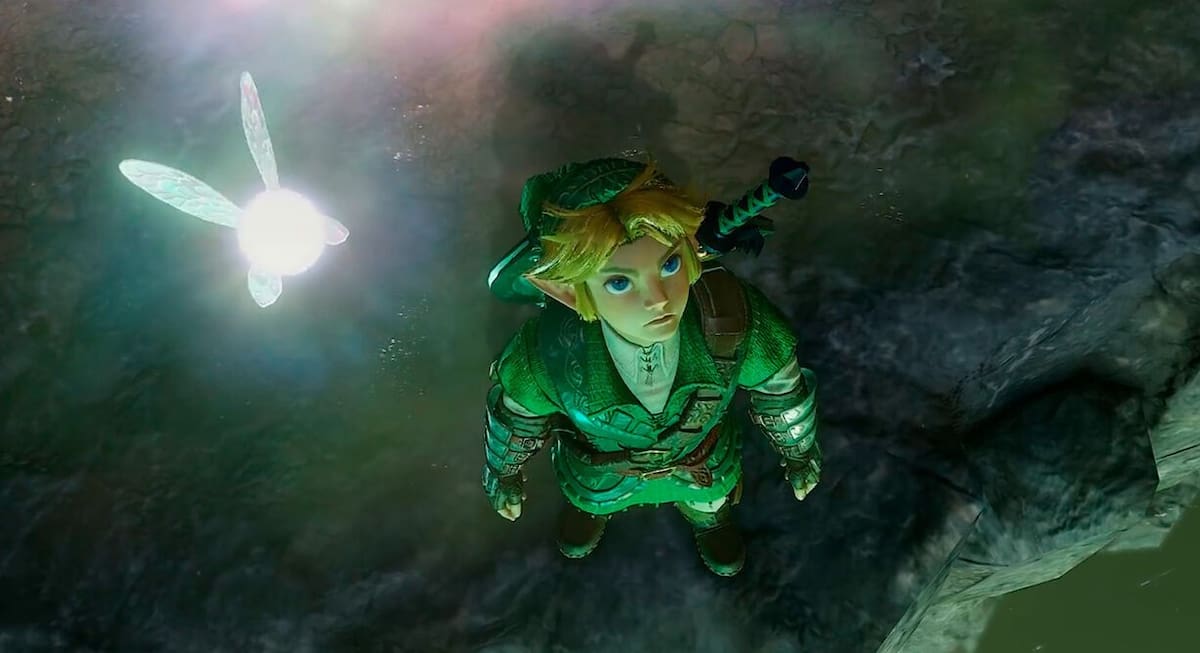
Who developed the new version of The Legend of Zelda: Ocarina of Time?
For months, fans have wondered which development studio was behind The Legend of Zelda: Ocarina of Time. For a while, speculation suggested it could be Grezzo, the team responsible for Ocarina of Time 3D, the enhanced version of the classic released for Nintendo 3DS.
There were also theories and clues pointing to Monolith Soft, the studio behind Xenoblade Chronicles, which has also collaborated on other major Nintendo projects. However, neither of these companies developed the remake.
Aonuma revealed that The Legend of Zelda: Ocarina of Time for Switch 2 was actually developed by Nintendo Entertainment Planning & Development’s (EPD) Production Group No. 3. As a result, the remake was handled by experienced developers who have worked on previous entries in the series.
About the author

Recommended For You
 News
PlayStation Introduces a New Requirement to Play Grand Theft Auto VI on PS5 to Prevent Piracy and Unrestricted Downloads
 News
Neither Forza Horizon 6 Nor Resident Evil Requiem: Phantom Blade Zero Is Steam’s Biggest Launch of 2026, and It Has Already Sold Millions of Copies on Consoles and PC
 News
Bloodborne Is Still Extremely Popular and Sold Thousands of Copies in 2026, but Will It Get a Remake or Sequel?
 News
Comentarios
Inicia sesión desde el menú superior para dejar un comentario.
Sé el primero en comentar.