Former PlayStation Boss Compares Xbox Game Pass to a Casino and Says It’s “Impossible” for Developers to Make Money
By Pedro Pérez Cesari onFormer Sony executive explains why big-budget games struggle inside subscription catalogs

Ever since Xbox Game Pass entered the market, the debate over the financial viability of gaming subscription services has once again taken center stage. This time, the criticism comes from Shawn Layden, former president of Sony Interactive Entertainment America, who questioned whether Xbox Game Pass is truly a profitable model for developers who put their games into the catalog on day one. He even compared the service to a casino.
During his appearance on The Expansion Pass podcast, the former PlayStation executive argued that even if Microsoft manages to make its platform profitable at the corporate level, that doesn’t necessarily mean studios receive the financial return they need to survive.
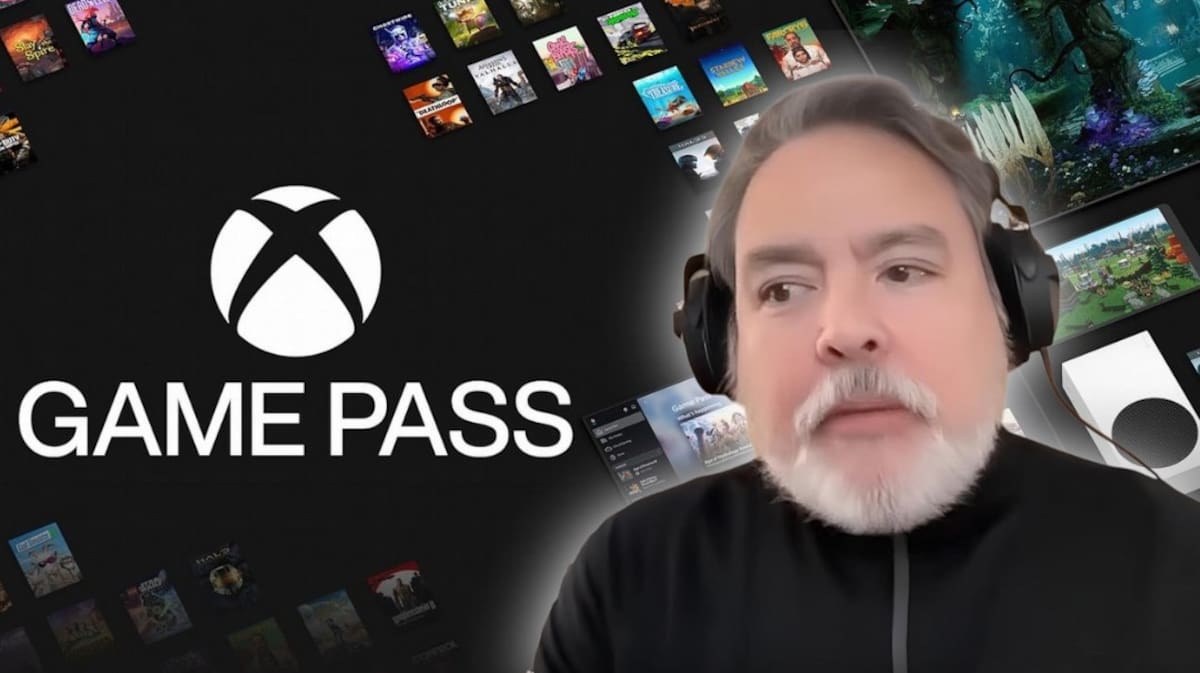
Layden believes Game Pass works like a casino for Xbox
To explain his position, Layden turned to the gambling industry, arguing that the platform — or its owner, Microsoft — makes money like a casino, while game creators face a completely different situation.
“I think I said at some point that, for Game Pass to be profitable, you would need something like 500 million subscribers,” Layden explained. “It was a number chosen as hyperbole. But it turns out maybe I wasn’t that wrong. And people always said, well, Microsoft is profitable. But that’s like saying the casino is profitable. The house always wins, right?”
In his view, the fundamental problem lies in the disruption of the traditional revenue model. Under the classic approach, a game starts generating profits once it has recovered its development and marketing costs through individual sales. By moving that product into a monthly subscription service, that direct relationship is essentially diluted:
“In a subscription model, getting past that break-even point and into a period of real profits is simply impossible,” Layden argued.
The head-on clash with $70 AAA games
The former executive’s main concern revolves around big-budget AAA productions. Layden argued that a game with a standard $69.99 USD price has a crucial launch window to stand out in the market and recover the millions invested in its development.
From that perspective, launching a game simultaneously in a subscription catalog directly conflicts with its launch sales. Layden contrasted PlayStation’s decision to keep its major releases outside PlayStation Plus at launch with Microsoft’s Game Pass strategy:
“Microsoft did it. You can judge the outcome for yourself,” the former executive said regarding the long-term impact of this policy.
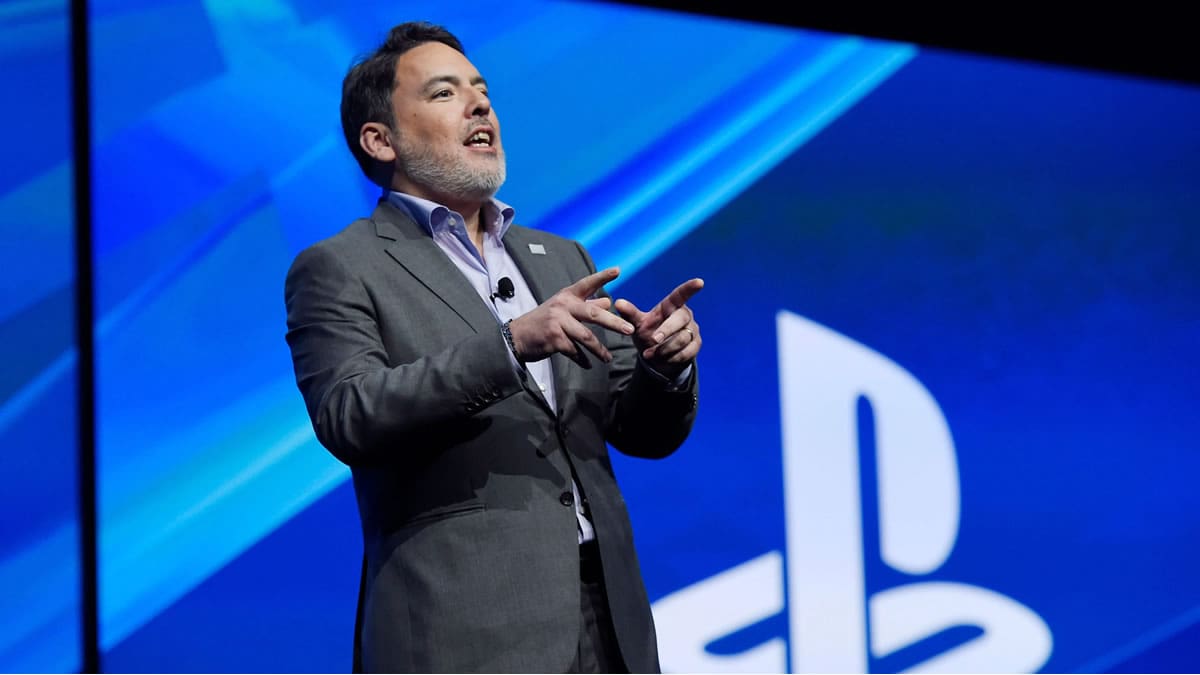
The contrast with independent developers
Despite the criticism aimed at major blockbusters, Game Pass doesn’t have the same impact across every part of the industry. Several independent developers have defended the platform as a crucial source of stability and funding.
Cases such as Thomas Sala, creator of The Falconeer, and Gareth Damian Martin, developer of Citizen Sleeper, show that subscription deals provided enough financial security to reduce commercial risks and even help fund sequels.
This divide highlights two parallel realities within the industry: while smaller studios can find a lifeline in Microsoft’s upfront payments amid an increasingly saturated market, the subscription model continues to raise questions about its ability to sustain the enormous budgets required by $70 AAA productions.
About the author

Recommended For You
 News
NewsGTA VI Leaker CyberLeek Appears to Resurface and Teases a Return This Week With New Details on Rockstar Games’ Highly Anticipated Game
 News
NewsGTA VI Will Be Irreverent and Politically Incorrect, but It Will Avoid Satirizing Donald Trump and Other Current Issues for a Good Reason
 News
NewsXbox Game Pass Gets a Surprise Ubisoft Game and Confirms Another Day-One Release Coming Soon
 News
News
Comentarios
Inicia sesión desde el menú superior para dejar un comentario.
Sé el primero en comentar.