Mexican Lawmakers to File Antitrust Complaint Against PlayStation and Sony Over PS Store Following the Potential End of Physical Games
By Ulises Contreras onFederal Representative Iraís Reyes and Senator Luis Donaldo Colosio will submit the complaint to Mexico’s National Antitrust Commission.

PlayStation may be on the verge of changing the gaming industry forever. Earlier this month, the Japanese company announced that it will stop producing physical games beginning in January 2028, a decision that will affect both first-party releases and third-party titles. The move has drawn attention from governments around the world, including Mexico.
By the end of this week, it was revealed that Mexican lawmakers will file a formal complaint with the country’s antitrust authorities, requesting an investigation into whether Sony’s decision could constitute anti-competitive behavior.
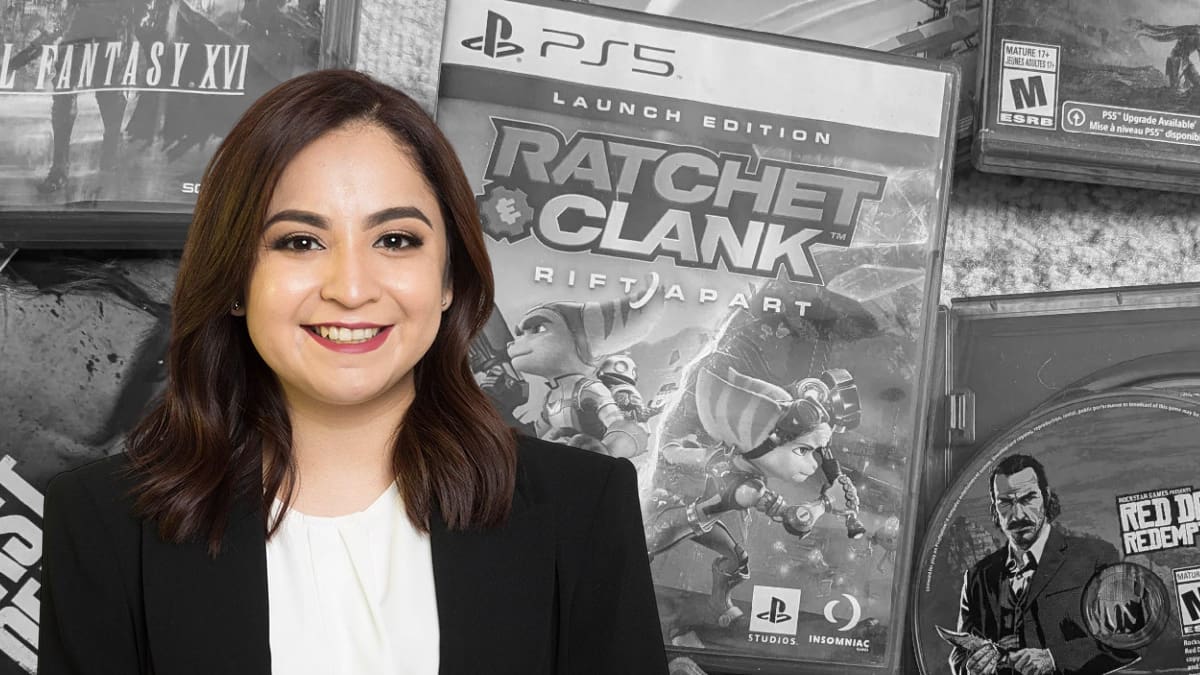
Lawmakers Want Sony Investigated Over Alleged Anti-Competitive Practices
According to an official statement, Federal Representative Iraís Reyes and Senator Luis Donaldo Colosio will file a complaint before Mexico’s National Antitrust Commission, asking the agency to investigate Sony Interactive Entertainment—the company behind PlayStation—for alleged anti-competitive practices related to video game sales.
Reyes, who earned the nickname “the gamer representative” after becoming one of the most vocal opponents of the proposed 8% tax on digital platforms introduced by President Claudia Sheinbaum’s administration in 2025, argued that eliminating physical games would leave the PlayStation Store as the only place where PlayStation users can purchase new games.
“If discs disappear, anyone who owns a PlayStation will no longer be able to choose where to buy their games and will be forced to purchase them exclusively through Sony’s store,” Reyes said.
The complaint asks regulators to determine whether Sony is using its market position to become the sole distributor of games on its platform, potentially harming both consumers and competing businesses.
The filing, which the two Movimiento Ciudadano lawmakers are submitting in their capacity as private citizens and video game consumers, also argues that eliminating physical games would eliminate price competition by forcing consumers to purchase titles through a single marketplace.
“Retailers such as Liverpool, Sanborns, and GamePlanet would no longer compete to sell new video games, and the second-hand and game-trading markets—which are massive—would also disappear,” Senator Luis Donaldo Colosio explained.
The senator also expressed concerns about digital ownership.
“Consumers would stop truly owning their video games. With digital distribution, you’re no longer buying a game in the traditional sense—you’re purchasing a license, which means access to the content depends entirely on the conditions established by the company,” he said.
Lawmakers Warn About the Risks of an All-Digital Future
The statement cites two examples that lawmakers believe illustrate the risks associated with digital ownership.
First, it references Sony’s removal of purchased content for European users in 2022. It also points to the company’s more recent announcement that licenses for more than 500 movies and TV shows would be revoked.
According to the complaint, Sony’s strategy could create an excessive concentration of power by allowing the company to simultaneously control the console hardware, the digital storefront, game distribution, and pricing.
“Sony would become both the referee and the player within its own ecosystem, and we know what can happen when a single company controls every part of the market,” Reyes stated.
Colosio added that the transition to an all-digital ecosystem also ignores infrastructure disparities across the country.
“By forcing everything to become digital, the assumption is that everyone has access to reliable high-speed internet, when we know that isn’t the reality throughout Mexico,” he said.
The lawmakers, who are seeking support from Mexico’s gaming community, argue that Sony’s decision could create two major forms of harm.
First, eliminating physical games would effectively destroy the markets for resale, lending, and collecting physical copies. As a result, Sony would become the sole price setter for games sold on PlayStation.
Second, the complaint argues that game developers would also be placed at a disadvantage. Without a physical retail channel, publishers and studios would become entirely dependent on PlayStation’s digital infrastructure, subject to platform commissions and any commercial terms Sony chooses to impose in order to reach players.
According to the lawmakers, this conduct could constitute a relative monopolistic practice under Mexico’s Federal Economic Competition Law by increasing costs, restricting competition, denying access to an essential market infrastructure, and reducing developers’ profit margins.
What do you think about this initiative proposed by Mexican lawmakers? Do you believe it’s necessary, or do you think Sony’s decision is justified? Let us know your thoughts in the comments below.
About the author

Recommended For You
 News
NewsCyberpunk 2077 Live-Action Movie in Development at Paramount with Producer Lorenzo di Bonaventura Working with CD Projekt RED; Is Keanu Reeves Also Involved?
 News
NewsXbox’s Flagship Racing Title Lands on PS5 in Early 2027 with Early Access Under One Condition
 News
NewsPlayStation Wants to Kill Disc Games but Marvel’s Wolverine Proves Physical Media Isn’t Dead Yet
 News
News
Comentarios
Inicia sesión desde el menú superior para dejar un comentario.
Sé el primero en comentar.