Microsoft Loses $150 on Every Xbox Series X|S Sold, and New Data Raises Questions About Whether Project Helix Should Include Steam
By Víctor Rosas onXbox’s next generation faces major challenges, and one wrong decision could jeopardize Microsoft’s gaming future

Xbox is facing what may be the most critical crossroads in its history. One wrong move could have devastating consequences, as Microsoft is reportedly losing money on every console it sells while its gaming services continue to underperform.
A new report has revealed information that highlights the internal pressure surrounding Asha Sharma’s leadership team. Rising memory prices have hit Microsoft’s console business particularly hard, but another issue could prove even more significant for the company’s future.
While many fans are excited about the possibility of Project Helix supporting Steam, new data suggests that such a move may not be the silver bullet many expect.
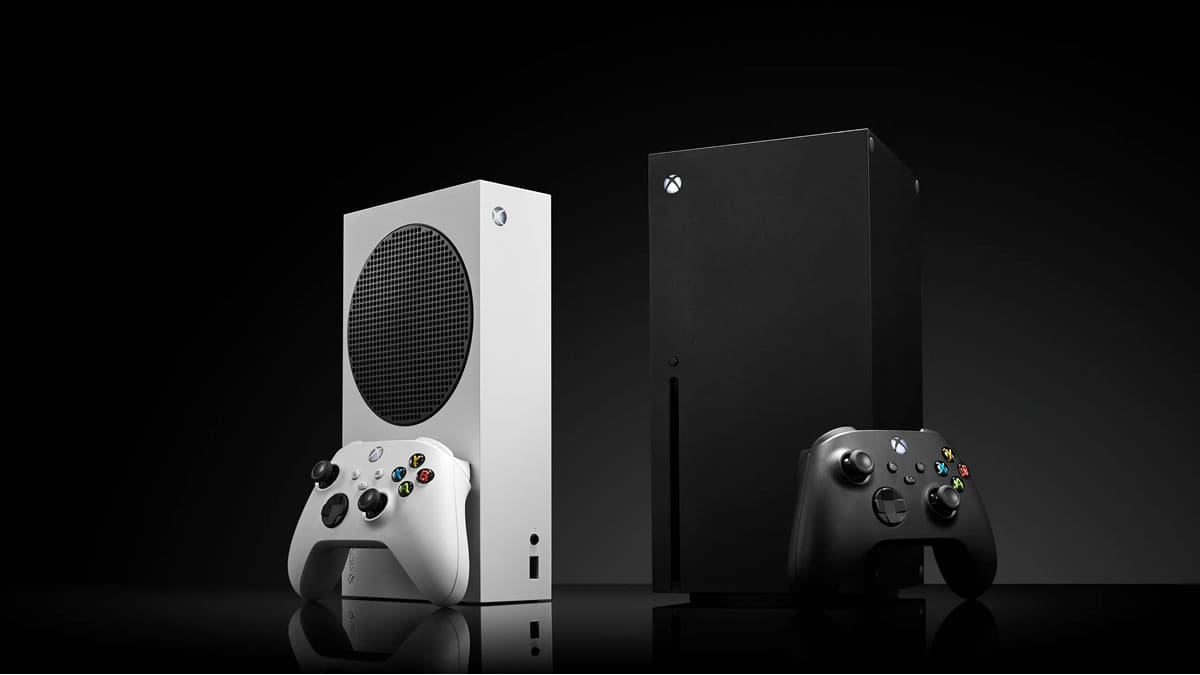
Microsoft Reportedly Loses $150 on Every Xbox Series X|S Console
Microsoft’s current console generation has struggled from the start. Xbox Series X|S has sold fewer units than Xbox One at the same point in its lifecycle and trails the PlayStation 5 by a wide margin.
According to a report from Jez Corden of Windows Central, the situation is even more concerning behind the scenes.
Citing internal sources, Corden claims that Microsoft currently loses approximately $150 on every Xbox Series X|S console sold. The losses reportedly increased due to the global surge in RAM prices, making the hardware even less profitable than before.
Perhaps most notably, those figures already account for Microsoft’s recent price increases across the Xbox hardware lineup. In other words, even the controversial price hike hasn’t been enough to offset manufacturing costs during the final years of the current console generation.
As a result, Microsoft’s attention is increasingly shifting toward its next-generation hardware—but according to the report, challenges remain there as well.
Steam Support Could Benefit Players—but Hurt Microsoft’s Ecosystem
The report also raises important questions about Project Helix, Microsoft’s rumored next-generation Xbox platform.
Current speculation suggests that the new hardware will function as both a console and a PC gaming device, potentially supporting storefronts such as Steam and the Epic Games Store alongside Microsoft’s own Xbox PC ecosystem.
While that prospect has generated significant excitement among players, Microsoft’s internal data reportedly paints a more complicated picture.
Jez Corden cites usage statistics gathered from the ROG Xbox Ally, Microsoft’s Windows-based handheld gaming device.
According to those figures, 75% of ROG Xbox Ally owners subscribe to Xbox Game Pass or PC Game Pass, which represents a positive sign for Microsoft’s subscription business.
However, software purchasing habits tell a different story.
Among Xbox Ally owners who also own an Xbox console, 25% have purchased games through Xbox PC. By contrast, only 2% of handheld users without an Xbox console have made purchases through Microsoft’s PC storefront, while the overwhelming majority chose to buy their games on Steam instead.
Those numbers raise serious concerns about Microsoft’s ability to attract new customers to its own PC gaming ecosystem.
If Project Helix launches with full Steam integration, many players could simply use Microsoft’s hardware as another gateway into Valve’s platform. While Microsoft would likely receive some revenue through hardware sales and other agreements, the report suggests that Steam—not Xbox—could become the primary beneficiary of player spending.
As Microsoft prepares for its next generation of hardware, balancing player freedom with the long-term health of the Xbox ecosystem may prove to be one of the company’s biggest strategic challenges.
About the author

Recommended For You
 News
NewsHideo Kojima Reveals Xbox Was Impressed by PHYSINT: “We Had Never Seen a Pitch Like This”
 News
NewsThe Last of Us Creator Says AAA Games Like God of War Laufey Are Boring, But Retracts His Comments and Apologizes to Santa Monica Studio
 News
NewsSHIFT UP Boss Designs New Bayonetta Outfit and Divides Fans’ Opinions
 News
News
Comentarios
Inicia sesión desde el menú superior para dejar un comentario.
Sé el primero en comentar.