Nintendo Faces Lawsuit Over Tariff-Driven Price Hikes on Consoles and Games, Refuses to Issue Refunds to Players
By Daniel Laguna onDespite receiving a reimbursement from the U.S., Nintendo will not pay compensation.

Nintendo is seeking to avoid paying any compensation, even as it stands to benefit from a from the United States after they applied tariffs. The trade war initiated by Donald Trump forced the company to raise prices on several products and simultaneously disrupted the Switch 2 launch by delaying its pre-order period.
The price increases took a direct toll on consumers’ wallets, prompting a group of fans to band together and file a class-action lawsuit against Nintendo. Their goal was to obtain compensation, particularly given that the tariffs have since been scrapped and Nintendo is now getting back the excess taxes it originally paid thanks to a sizable reimbursement from the U.S. government.
The plaintiffs argue that this recovered sum rightfully belongs to the players who bore the brunt of the inflated costs, not to the corporation. Nintendo, however, has officially responded to the lawsuit, making it unequivocally clear that it denies any obligation to refund its customers.
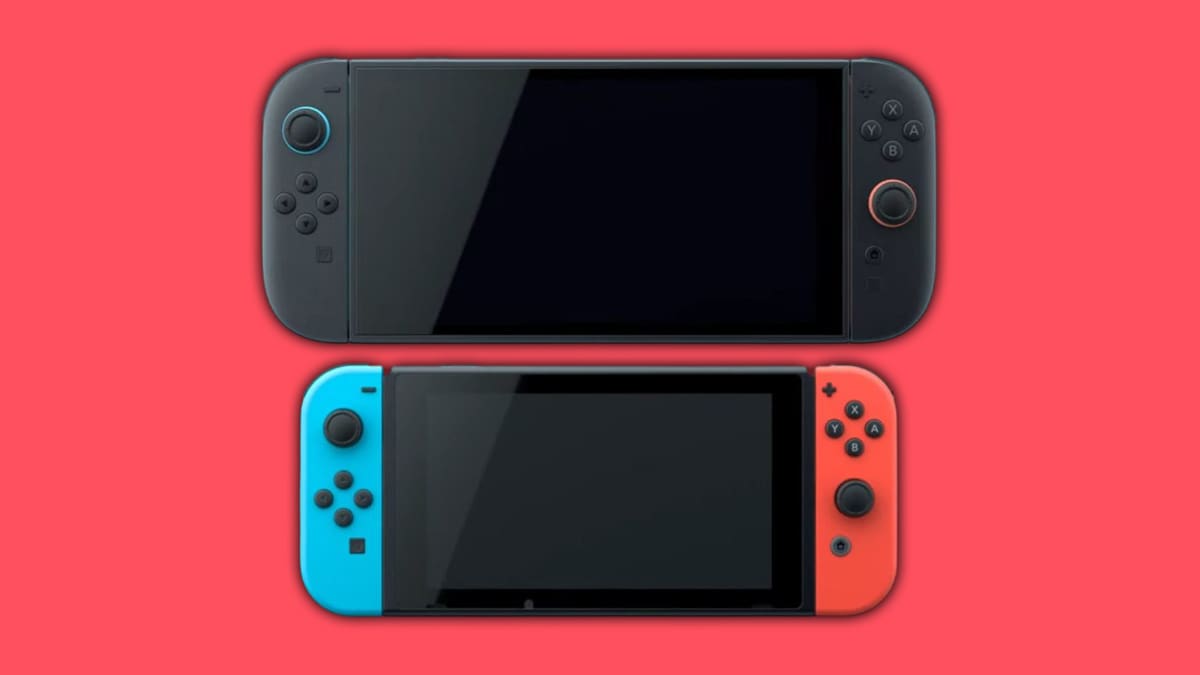
Nintendo Attempts to Stop Lawsuit to Avoid Paying Tariff-Related Compensation
On April 22, U.S. players Gregory Hoffert and Prashant Sharan filed the complaint in the Western District of Washington Court, accusing the Mario and Zelda publisher of unjust enrichment.
The suit contends that Nintendo not only increased product prices but also stands to reclaim tariff payments it had previously written off. As such, the plaintiffs are demanding that the forthcoming refund be distributed among consumers who purchased products at the elevated rates.
Nintendo, however, has pushed back forcefully and is mobilizing its legal team to have the case dismissed. In a recent motion, the company led by president Shuntaro Furukawa argued that players “are not entitled to a refund simply due to subsequent legal changes related to tariffs.”
From Nintendo’s standpoint, the decision to purchase its products at the higher prices rested entirely with consumers. The company further asserts that it never misled its customers, as all buyers received the exact goods they paid for.
“Nintendo or one of its retailers set the price for each product, and consumers decided whether that price was worth it,” the company stated. “Those who purchased Nintendo’s products received exactly what they negotiated and paid for: a console, a game, and/or an accessory at a price agreed upon by both parties.”
Nintendo’s Lawyers and Their Counterarguments
Nintendo’s legal representatives have signaled their readiness to pursue the case to its full conclusion, resisting any obligation to share the tariff refund now that the duties have been ruled unlawful. A company spokesperson clarified that Nintendo did, in fact, absorb a portion of the tariff costs internally, meaning it will not reap the windfall that some fans have alleged.
“Unlike many other companies in the sector, Nintendo did not simply increase the price of each product based on the tariffs paid for it, nor did it impose a blanket tariff surcharge,” the attorney explained. “The common denominator of the plaintiffs’ claims is that it is, in some way, unfair that Nintendo did not retroactively adjust prices for already completed sales in response to the outcome of the tariff litigation. However, that is not how commercial transactions work.”
Given the current economic climate, it remains unlikely that Nintendo will reduce its game or console prices in the foreseeable future. Meanwhile, it is evident that the company will exhaust every legal avenue to avoid compensating the plaintiffs. The court has yet to deliver a ruling on the matter.
For more news on Nintendo, click here.
About the author

Recommended For You
 News
NewsNew PlayStation Handheld Pairs Nintendo Switch Design with More Teraflops Than PS5 and Better Upscaling Technology
 News
NewsEpic Games CEO Warns Under-13 Social Media and Videogame Ban Would Be “Terrible for the Next Generation of Humanity”|
 News
NewsPopular PlayStation Titles Unexpectedly Delisted from Steam, Triggering Widespread Player Panic
 News
News
Comentarios
Inicia sesión desde el menú superior para dejar un comentario.
Sé el primero en comentar.