Rhythm Heroes, A Mexican Video Game Designed to Help Detect Early Signs of Dyslexia in Children
By Ulises Contreras onThe interactive tool is the brainchild of postdoctoral researcher Katya Álvarez Molina and a multidisciplinary team of talented developers.

While video game development in Mexico is still in its infancy compared to industry powerhouses like the United States and Japan, the country is home to a wealth of creative, artistic, and technical talent. A shining example of that potential is Rhythm Heroes, an interactive title with a distinctly scientific mission.
Though gaming has long been viewed primarily as a form of entertainment, the medium has evolved considerably over the years. A growing body of research now suggests that certain video games can enhance cognitive skills, assist individuals with disabilities, and support patients managing a range of neurological and developmental conditions.
And that’s how Rhythm Heroes was created as an interactive tool with a clear and commendable purpose: to facilitate the early detection of dyslexia in young children.
Why Is Detecting Dyslexia Early in Children So Important?
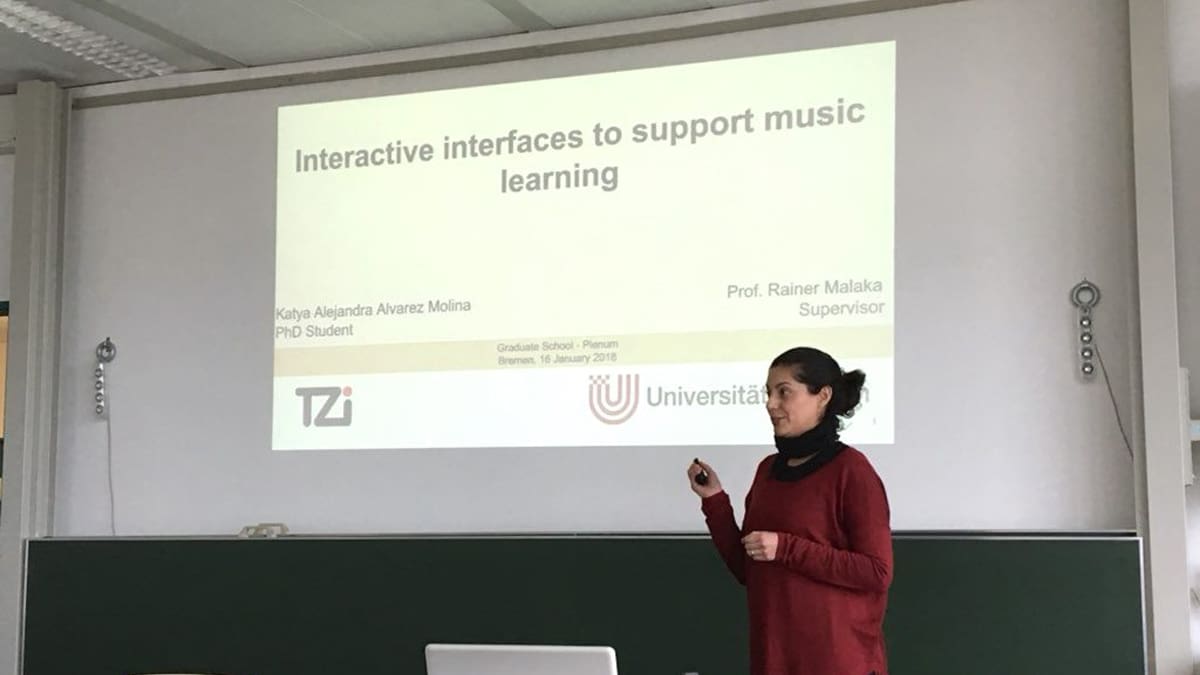
The game is currently under development at the Scientific Research and Higher Education Center (CICESE) in Ensenada, Baja California. It was conceived and designed primarily by postdoctoral researcher Katya Álvarez Molina, working closely with the institution’s Department of Computer Science.
The project has benefited from the guidance of Dr. Juan Manuel Martínez Miranda (Tepic) and Dr. Ana Isabel Martínez García (Ensenada), along with support from Dr. Karina Caro of the Autonomous University of Baja California (UABC).
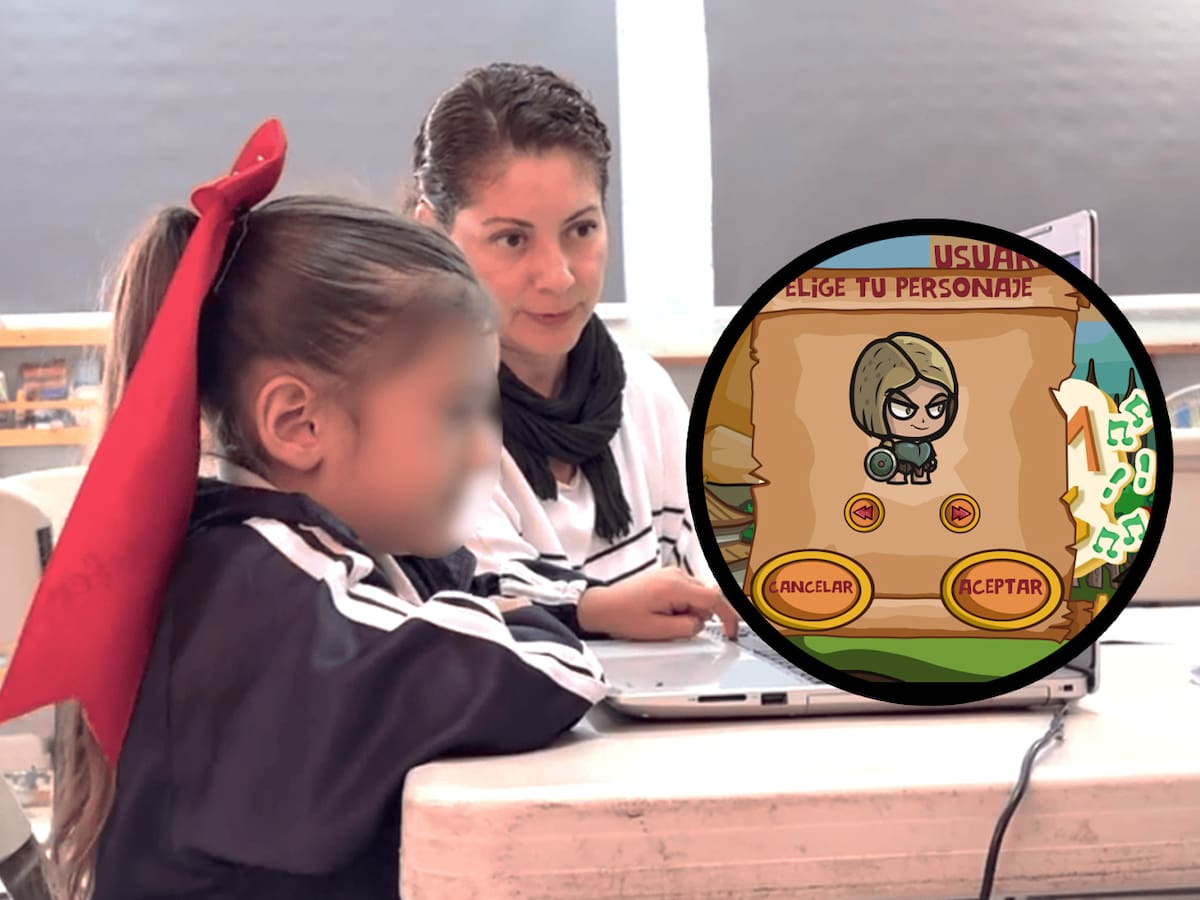
At its core, Rhythm Heroes is a music-based video game in which children must recognize and replicate rhythmic patterns to advance through various levels. Álvarez Molina, who is also a violinist, notes that the idea originated during her research on dyslexia, when she discovered that many individuals with the condition struggle to synchronize their movements with a musical beat.
The researcher emphasizes that the tool is not meant to replace professional clinical evaluations. Rather, its sole purpose is to flag early warning signs that may warrant further assessment by a specialist.
“Our role is to identify whether a child exhibits indicators that suggest a more comprehensive evaluation would be beneficial,” Álvarez Molina explained. “The game aids in the diagnostic process, but the final conclusion must always come from a qualified professional.”
She added: “The game will never say, ‘This child has dyslexia.’ Instead, it highlights certain markers and recommends that a clinical assessment be considered.”
In many cases, Álvarez Molina points out, dyslexia in children is only recognized after problems such as poor academic performance, low self-esteem, frustration, or social withdrawal have already emerged. “Too often, children are dismissed as distracted, lazy, or uninterested, when in fact they have an underlying condition that has yet to be identified.”
This Is How Rhythm Heroes Works
Early detection remains one of the project’s primary objectives and, according to the researcher, one of its most significant social contributions. “It can completely transform a child’s educational journey and positively influence their long-term social development.”
Currently available in Spanish, English, and German, Rhythm Heroes is designed to transcend linguistic barriers. “Rhythm is universal,” Álvarez Molina stresses. “It doesn’t matter what language a child speaks: the tests remain effective because they do not rely on reading ability.” She hopes the project will eventually achieve international reach.
“A four-year-old may not know how to read, but they can certainly follow a rhythm,” she noted. “That allows us to assess temporal processing skills without being limited by language or literacy level.” She also highlighted that children enjoy the experience and rarely feel as though they are being tested.
In the game, players control a hero who must overcome obstacles and complete musical missions to progress through four distinct worlds: the Eastern Kingdom, Egypt, the Middle Ages, and the Castle. Each realm presents unique challenges designed to measure specific abilities related to rhythm, timing, pattern recognition, and sequencing.
For example, in the Eastern Kingdom, players must synchronize their movements with a steady pulse, similar to a metronome, while the game records each response and evaluates consistency. The Egyptian Kingdom introduces more intricate rhythmic patterns, increasing the cognitive demand.
The Medieval Kingdom raises the difficulty by removing visual cues or altering the background music mid-level, requiring children to maintain the beat without continuous auditory feedback. Finally, the Castle stage tests rhythmic memory by asking players to recall and reproduce sequences with no visual or auditory assistance.
Álvarez Molina and her team hope that Rhythm Heroes will enable earlier, more accessible identification of children who might benefit from specialized support before reading and writing difficulties arise. Initial pilot tests have already been conducted with students at a public elementary school in Ensenada.
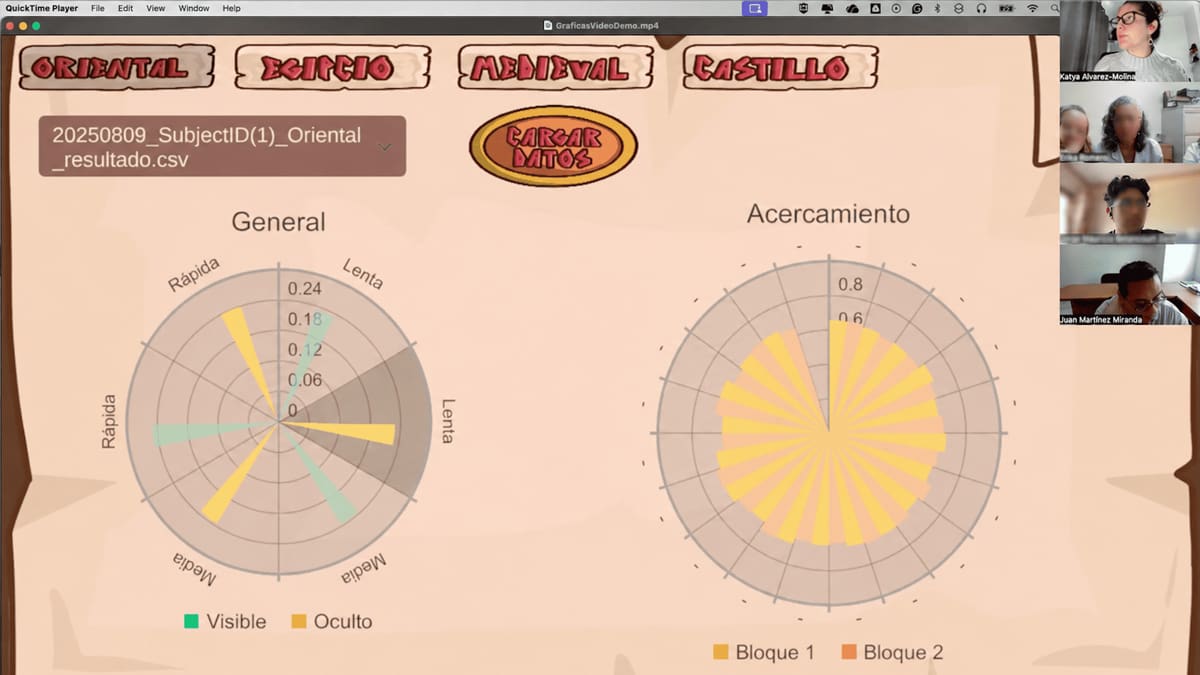
The researcher has also presented the project to therapists at Mexico’s National Institute of Rehabilitation, as well as to dyslexia and music experts at Birkbeck, University of London. Ongoing scientific validation is being carried out in collaboration with specialists from the International Laboratory for Brain, Music and Sound Research.
Looking ahead, Álvarez Molina envisions Rhythm Heroes being used as a supportive screening tool in psychological care centers, specialized clinics, and schools.
What are your thoughts on this innovative initiative? Share your thoughts in the comments section below.
About the author

Recommended For You
 News
NewsEA Announces the Closure of BioWare, the Studio Behind Mass Effect and Dragon Age, and Hundreds of Layoffs Following Its Saudi-Backed Acquisition
 News
NewsKratos Almost Had a More Imposing Name Until a Pizza Shop Forced a Last-Minute Change
 News
NewsXbox Morale Hits Rock Bottom as Asha Sharma Outlines 2 Additional Rounds of Layoffs
 News
News
Comentarios
Inicia sesión desde el menú superior para dejar un comentario.
Sé el primero en comentar.