Trails in the Sky Won’t Use AI for Localization; GungHo Explains Why the “Human Touch” Remains Essential
By Pedro Pérez Cesari onIn an interview with LEVEL UP, the publisher discussed the future of the series, the role of remakes, and why artificial intelligence isn’t replacing human translators anytime soon.

As parts of the video game industry continue experimenting with artificial intelligence to speed up processes such as localization, GungHo Online Entertainment America has no plans to take that route with The Legend of Heroes: Trails in the Sky 2nd Chapter.
During an interview with LEVEL UP, Fumiaki Shiraishi, CEO of GungHo Online Entertainment America, along with Matthias Pergams, Producer for GungHo Online Entertainment America, explained that the rich narrative created by Nihon Falcom makes a human-driven localization process indispensable. They also shared their perspective on the growing JRPG market, the importance of remakes, and the company’s strategy for introducing the Trails series to a new generation of players.
GungHo Has No Plans to Use AI for Trails Localization
Artificial intelligence has become one of the gaming industry’s most discussed technologies. While some developers have begun using AI to assist in development, GungHo says it currently has no intention of implementing it for the localization of Trails in the Sky 2nd Chapter.
“We don’t use artificial intelligence for any of our translations. Our entire localization process is handled manually, and the same applies to the game’s assets. Naturally, we’re closely following the evolution of AI, both from a technological standpoint and because of the ongoing discussion surrounding its use within the industry.”
The company emphasized that every translation is still completed by human translators, and preserving the quality of the script remains a top priority for a franchise with a world as expansive as Trails.
“One of the main reasons is that we believe players expect work created by people. In a series like Trails, which features such an extensive universe and a massive cast of characters, maintaining consistency across every installment is essential.
Every character has a distinct personality, speaking style, and identity. Titles, nicknames, and recurring expressions must remain consistent throughout the franchise, and we believe that level of detail still requires human judgment.
On top of that, the world created by Nihon Falcom is full of subtle nuances. Our goal is to preserve that ‘human touch’ to ensure every character sounds exactly as they should, terminology remains consistent, and all of those small details carry over from one game to the next."
Although GungHo acknowledged that AI technology continues to improve and could eventually become a supporting tool, the company believes extensive human oversight would still be required to ensure the quality players expect.
“Even if we were to use artificial intelligence tools as support at some point, our workflow would remain virtually the same. The process starts with an initial translation, followed by a complete second review, then an editing stage, and several additional rounds of verification. In other words, every piece of text would still pass through human hands multiple times before reaching players.
For that reason, even as AI continues to evolve, we don’t believe it will significantly change the way we work. Simply put, we currently have no plans to use artificial intelligence for localizing our games."
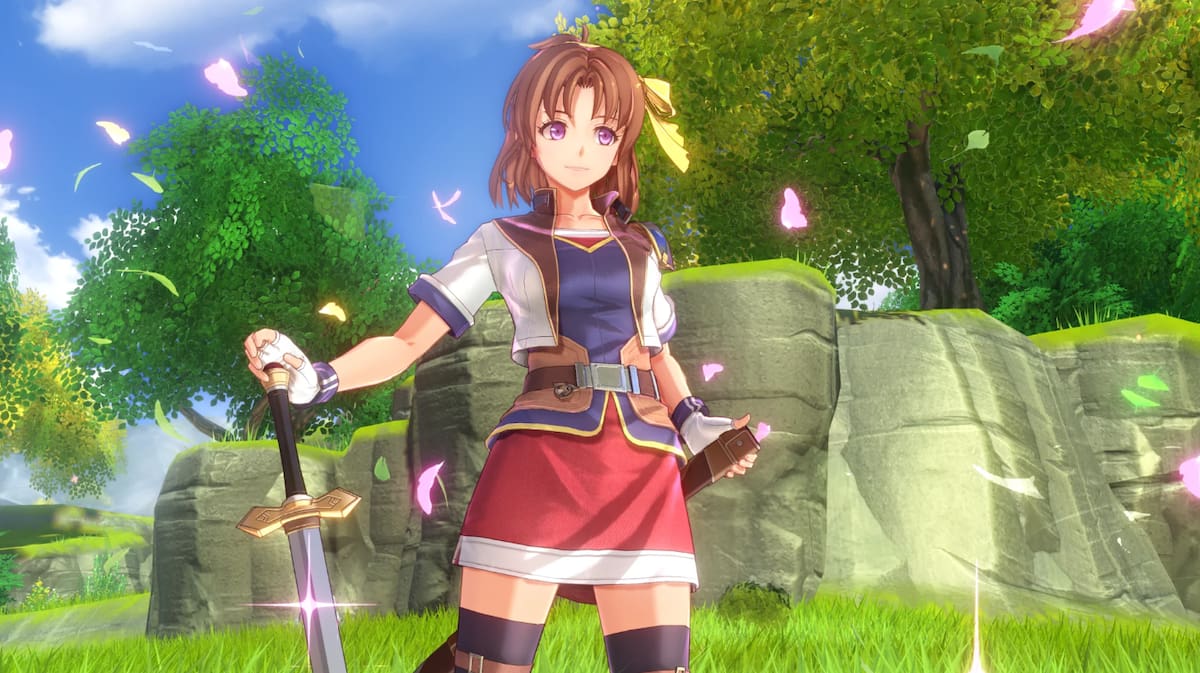
The Goal Is to Grow the Trails Community
During the interview, GungHo also spoke about the current popularity of JRPGs, while arguing that the genre can no longer be viewed as a single unified market.
According to the publisher, every franchise has built its own identity and cultivated a distinct audience. Someone who enjoys Trails isn’t necessarily interested in Final Fantasy or Dragon Quest, which is why GungHo’s strategy focuses on understanding what makes each community unique.
Rather than trying to appeal to every JRPG fan, the company wants to strengthen the existing Trails community while introducing the series to players who have always been curious about it but never found the right opportunity to jump in.
“Our strategy isn’t simply to target all JRPG fans. The most important thing is understanding who Trails fans are and making sure both our games and our messaging are directed specifically toward them.
At the same time, we also want to reach players who would likely enjoy the series but haven’t discovered it yet. We want to understand what’s prevented them from trying the franchise and find new ways to introduce it to them."
One of the remake’s primary goals is to become the definitive entry point into the Trails universe.
However, while it’s technically possible to begin the story elsewhere, GungHo explained that this isn’t the ideal experience. The company believes players should start with Trails in the Sky 1st Chapter, as both games were originally conceived as a single adventure centered around Estelle. To encourage newcomers, GungHo has supported the remake with demos, promotions, and discounts designed to make it easier for players to begin the series from the very start.
Success Isn’t Measured by Sales Alone
GungHo also explained that the success of a remake isn’t determined solely by commercial performance.
While sales remain important, the publisher believes the real measure of success is how the community responds.
A successful remake is one that encourages longtime fans to rediscover a beloved franchise while also convincing newcomers to experience it for the first time.
With Trails in the Sky 2nd Chapter, GungHo hopes to modernize one of Nihon Falcom’s most beloved JRPGs without sacrificing the essence that made it a classic. To accomplish that, the project brings together developers who worked on the original release alongside newer team members who grew up playing the series and now contribute to its future.
Beyond the graphical improvements, GungHo believes the franchise’s greatest strength remains its world-building. The company highlighted its memorable cast, the evolving NPCs, and a story that begins as a relatively simple adventure before expanding into a complex political conspiracy.
The remake also modernizes combat by blending real-time action with classic turn-based battles, creating a more dynamic experience while preserving the original’s core identity.
For GungHo, all of these improvements serve one clear purpose: introducing a new generation of players to one of the most respected franchises in the JRPG genre.
What do you think? Should developers continue relying on human translators instead of AI for game localization? Let us know in the comments below.
About the author

Recommended For You
 News
NewsResident Evil Requiem Was Almost an Open-World Game with a Radically Different Story
 News
NewsMarvel’s Wolverine Star Debra Wilson Addresses Backlash, Calling Video Games’ Reliance on Her Real Face a Mistake
 News
NewsWould You Ditch PlayStation or Nintendo for Xbox Exclusives? Microsoft Teases Radical Shift Strategy
 News
News
Comentarios
Inicia sesión desde el menú superior para dejar un comentario.
Sé el primero en comentar.