US Proposes “Power to the Players” Bill to Protect Video Game Ownership as Physical Discs Fade Away: “When You Pay for a Game, You Should Own It”
By Daniel Laguna onNew legislation aims to guarantee gamers the right to own, play, and transfer the games they buy.

As PlayStation prepares to fully phase out physical disc formats by 2028, the video game industry faces a historic shift toward an all-digital future. Gamers have voiced strong opposition to the death of physical media, warning that it threatens collecting, media preservation, and basic consumer ownership rights.
While lawmakers in Mexico have already introduced measures to prevent publisher abuse and protect digital purchases, U.S. politicians are now taking action against the risks an all-digital ecosystem poses to consumers.
The “Power to the Players Act”: Protecting Consumer Rights in a Digital Age in the United States
Representative Ritchie Torres (D-NY) has introduced a new bill designed to safeguard consumers and guarantee their property rights as the gaming industry pivots to a purely digital distribution model.
The initiative, known as the Power to the Players Act, operates on a straightforward principle: consumers should maintain the explicit right to own, play, and transfer the games they purchase. Unveiled under the banner “If you pay for it, it’s yours,” the legislation directly allows players to own what they buy.
Under the proposed law, the Federal Trade Commission (FTC) would be tasked with establishing strict rules around video game property rights. This would force major industry players such as PlayStation, Xbox, and Nintendo to grant buyers true ownership rather than revocable, temporary end-user licenses.
“When you pay for a game, you should own it,” Torres said in an official statement. “A game that can be taken away the moment a company pulls the plug is not a purchase. It is a rental disguised as a sale.”
The Power to the Players Act would require games with online features to include functional offline modes, ensuring titles remain playable long after publishers shut down their servers. Though focused specifically on video games, Torres hopes the bill will serve as a broader catalyst for re-evaluating consumer property rights across the wider digital economy.
“Families in the Bronx and across the country save up to buy these games, and they deserve better than a license that can vanish at any time. The Power To The Players Act ensures consumers own what they buy and can keep playing long after a company moves on,” he said.

Mexico Joins the Fight for Digital Rights
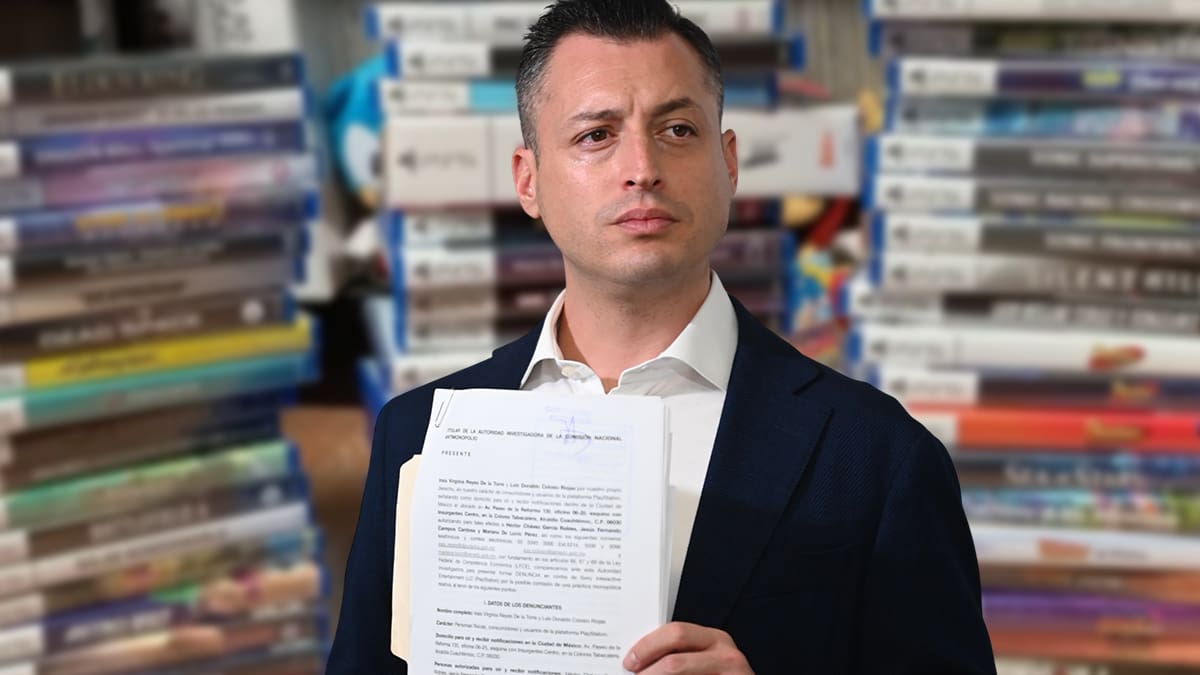
In Mexico, Congresswoman Iraís Reyes and Senator Luis Donaldo Colosio Riojas, President of the Senate’s Digital Rights Commission, have spearheaded similar regulatory efforts to counter digital monopolies and the decline of physical media.
Aligning closely with Torres’ proposed law and the international Stop Killing Games movement, the Mexican initiative focuses on securing perpetual access to paid content and demanding total transparency from publishers regarding what consumers actually buy.
The core of Colosio Riojas’ proposal rests on three key pillars:
- Requiring foreign digital platforms operating in Mexico to maintain a legal address within the country, giving regulatory authorities direct recourse when consumer rights are violated.
- Mandating explicit disclosure at point of sale clarifying whether a consumer is buying full ownership of a digital item (whether a game, book, or movie) or merely purchasing a conditional license.
- Forcing platforms that delist or pull digital products to provide viable alternatives so customers can retain access to content they already paid for.
For more news on the videogame industry, click here.
About the author

Recommended For You
 News
Rockstar Games Co-Founder Admits Max Payne 3 Was a Failure Despite Selling Millions
 News
CD Projekt RED Eyeing Great Cyberpunk 2077 Movie Inspired by Edgerunners Anime, Though One Decision May Divide Fans
 News
Father of PlayStation Thinks Making Physical Games Is ‘Not Economically Reasonable’ for Sony, but Understands Fan Backlash
 News
Comentarios
Inicia sesión desde el menú superior para dejar un comentario.
Sé el primero en comentar.