PS6 and Xbox Project Helix Could Cost Over $1,000, but Analyst Suggests Sony and Microsoft Look to Nintendo’s Wii for a Pricing Solution
By Daniel Laguna onAmpere Analysis believes there are alternatives to stop next-generation consoles from reaching exorbitant prices.

Consoles have never been more expensive, and early projections for the upcoming generation offer little relief. Amid a persistent memory chip crisis, industry watchers expect the PlayStation 6 and Xbox Project Helix to carry price tags of $1,000 USD or higher. Yet not all hope is lost: an analysis firm claims that both Sony and Microsoft still have alternatives to make their consoles cheaper.
This week, Ampere Analysis released a report examining the potential fallout if the PS6 and Project Helix launched at the $1,000 mark. More notably, the firm proposed 3 possible workarounds, one of which draws direct inspiration from Nintendo’s Wii.
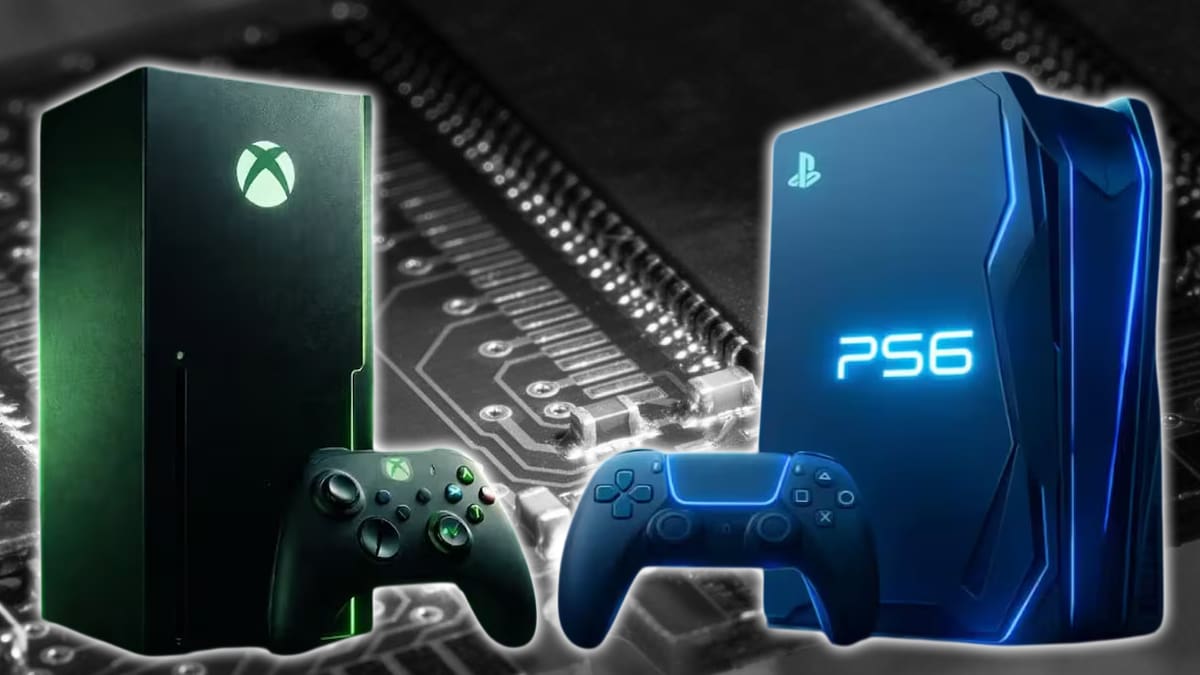
PS6 and XBOX Project Helix Could Cost Over $1000 USD Bringing Problems to the Industry
The prospect of $1,000-plus consoles is no longer hypothetical, making it highly likely that Sony and Microsoft will face the same pricing pressures. The ongoing memory shortage has already disrupted Valve’s plans for its Steam Machine, and the same could happen to these new consoles.
According to Ampere Analysis (via GameSpot), the industry could suffer serious consequences if next-gen hardware debuts at four-figure prices. Their modeling suggests that over the first five years, PS6 and Project Helix sales would trail those of the PS5 and Xbox Series X|S by as much as 38%.
Such a steep price barrier would effectively turn consoles into a luxury product, sidelining a large portion of the gaming audience. Ampere Analysis anticipates a low acceptance of both systems, which in turn would dampen overall revenues across the broader video game industry.
The firm estimates that moving to a $1,000 price baseline could cost the sector as much as $3.4. Report author Piers Harding-Rolls notes that recent price hikes affecting the PS5, Xbox Series X|S, and even the Nintendo Switch 2 only make a four-figure launch price for next-gen devices increasingly plausible.
Given this outlook, Harding-Rolls argues that Sony and Microsoft must rethink their strategies to avoid alienating consumers. To that end, his report lays out three distinct approaches the companies could adopt to make the PS6 and Project Helix more accessible.
Nintendo Wii Could Be the Key to Lower New Generation Consoles’ Prices
The first option would be to delay the consoles’ release beyond late 2028, effectively extending the lifecycle of the current generation in hopes that market conditions and memory costs improve over time.
The second strategy involves sticking to a 2028 launch but offsetting high costs through “heavier hardware subsidies, new monetization models, more aggressive digital content strategies, and optimized sales channels”, all designed to balance the books and recoup losses.
The third and most intriguing proposal looks back at Nintendo’s Wii. Rather than continuing to compete on graphics and performance, Ampere Analysis suggests Sony and Microsoft could “substantially innovate on hardware form factor and use cases, placing less emphasis on graphical improvement.” By embracing less expensive components, they could offer better prices and carve out distinct identities in the market.
For more news on the videogame industry, click here.
About the author

Recommended For You
 News
NewsWill Konami Use AI to Build the Future of Metal Gear, Silent Hill, and Castlevania? The President’s Answer Surprises Many
 News
NewsCall of Duty: Modern Warfare 4 Pays Emotional Tribute to Late Co-Creator Vince Zampella, Nearly 1 Year After His Tragic Passing
 News
News“A New Golden Age of Gaming”: Epic Games CEO Claims AI Will Help Deliver Long-Awaited Games Faster
 News
News
Comentarios
Inicia sesión desde el menú superior para dejar un comentario.
Sé el primero en comentar.