Sony Defends Itself Against Class Action Lawsuit, Insists It Is Obvious That Digital PlayStation Games Are Not Owned by Players
By Ulises Contreras onThe company behind PlayStation claims that “it is not plausible that reasonable consumers believed they were obtaining ownership of a digital game”

In the last few months, PlayStation has found itself at the center of mounting criticism, largely due to its reported plans to phase out physical media within the next few years. For many players, the true concern lies in the diminishing protections surrounding digital ownership and Sony has now reinforced those fears with its latest legal defense.
Responding to a proposed class action lawsuit, attorneys for the Japanese gaming giant have argued that it should be self-evident to any consumer that digital games purchased through the PS Store are merely licensed, not owned.
PlayStation Stands Accused of Violating California Law Regulating Digital Purchases
The lawsuit, filed on June 18, 2026, alleges that Sony violated California’s AB 2426, an updated law that took effect on January 1, 2025. The statute amends the state’s Business and Professions Code to regulate how sellers describe digital goods, including video games and applications during the transaction process.
Specifically, the California law requires that platforms clearly indicate when a transaction grants only a license, subject to restrictions and conditions.
Sellers must also explicitly state, in plain language, that the purchase does not confer permanent access to the digital product.
In essence, the legislation mandates a clear warning that terms like “purchase” or “acquire” refer solely to obtaining a revocable license.
On June 18, 2026, roughly two weeks before public outcry over physical format discontinuation reached its peak, Sony was served with a class action complaint by a group of dissatisfied PlayStation users. The plaintiffs allege that the PS Store’s checkout process violates California law by failing to clearly communicate the license-based nature of digital game transactions.
They argue that the current warnings are not sufficiently visible or clear, and that the use of the word “purchase” misleads consumers into believing they are acquiring full ownership of the game.
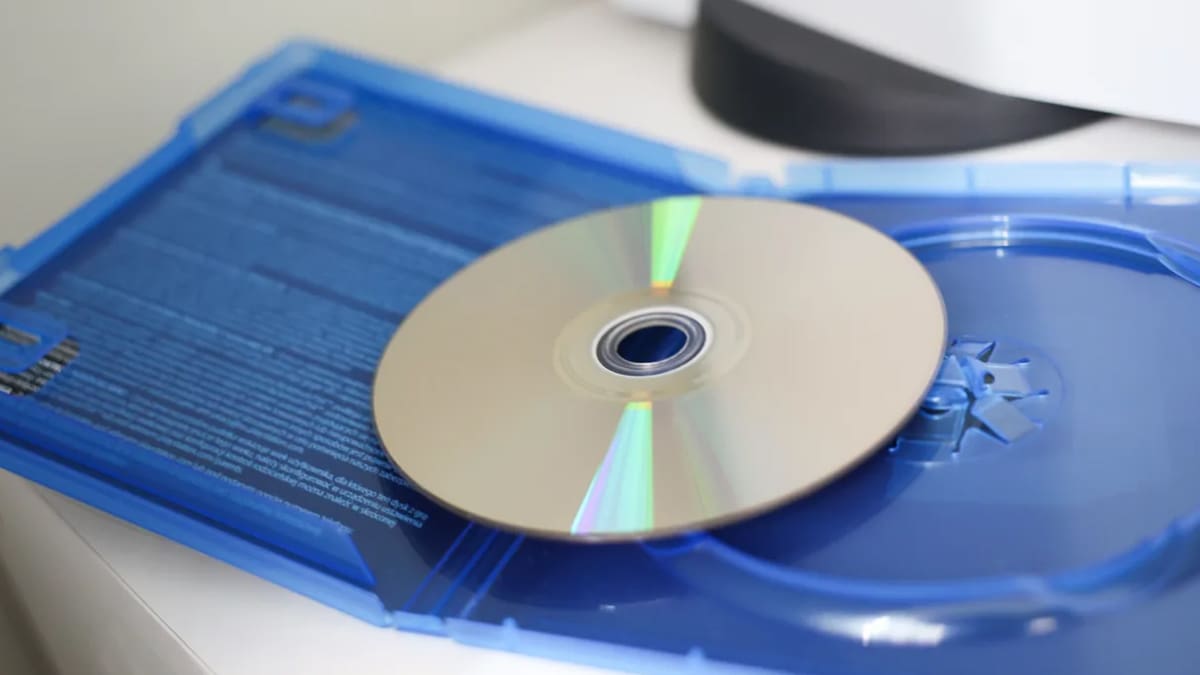
PlayStation Responds to Class Action Lawsuit and Unleashes New Controversy
Sony, however, rejects this interpretation and has filed a formal response with the U.S. District Court for the Northern District of California, dated August 21, according to journalist Stephen Totilo from Game File. In its filing, the company asserts that the PS Store provides ample clarity, and that “it is not plausible that reasonable consumers believed they were obtaining ownership of a digital game.”
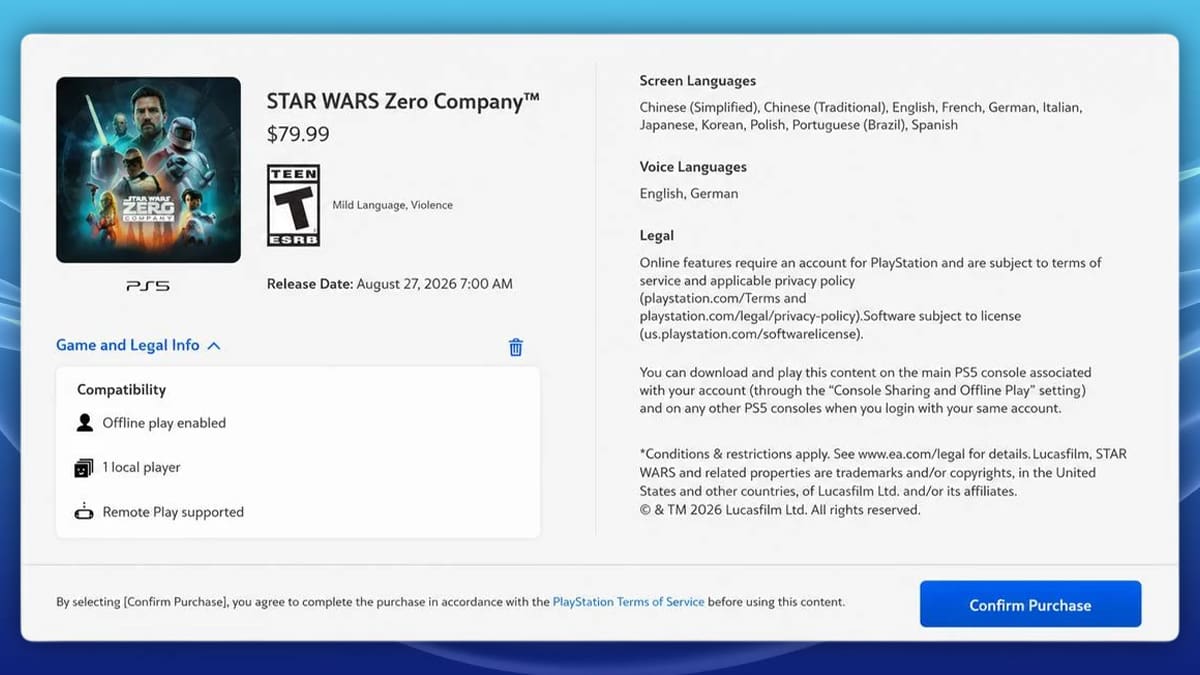
PlayStation points to its product listings, which include notices directing buyers to the platform’s Terms of Service and Software Product License Agreement (SPLA). Both documents are presented before the transaction is finalized, giving consumers the opportunity to review the terms.
Sony’s legal argument leans heavily on the SPLA, which explicitly states that “the software is licensed, not sold.” The company contends that any reasonable user would understand this distinction, and that there is no room for misunderstanding.
To illustrate its point, Sony offered an example: if a customer purchased the survival horror game Resident Evil Requiem on February 14, 2026, and ownership were truly transferred, how could a second customer buy the same digital title at a later date?
Unsurprisingly, the defense has drawn sharp criticism from the gaming community. “Sony’s lawyers continue playing dumb like the entire industry and lobbies have since @StopKilingGames started. Of course, you don’t own the master of a game. They still act like we don’t know. But it was never about that,” the account Does It Play? stated on X.
What do you think about these statements? Share your thoughts in the comments below.
For more news on PlayStation, click here.
About the author

Recommended For You
 News
NewsMexico’s President Signs Decree to Regulate Violent Content on Digital Platforms: How It Will Affect Social Media and Video Games
 News
NewsAll Episodes of Demon Slayer: Kimetsu no Yaiba Arrive on Another Popular Streaming Service, Making It Easier Than Ever to Watch the Anime and Movies With Latin American Spanish Dubbing
 News
NewsThis SEGA Game Received Thousands of Negative Reviews and Had Such a Disastrous Launch That It Will Be Pulled From Sale Just 2 Days After Release
 News
News
Comentarios
Inicia sesión desde el menú superior para dejar un comentario.
Sé el primero en comentar.